Bryan Johnson Updates
The Healthiest Lab Results Ever Recorded? Inside Bryan Johnson’s Longevity Bloodwork


We break down Bryan Johnson’s extraordinary biomarkers and explain how they compare to the standard Blueprint Advanced Panel used by many longevity seekers.
Today, Bryan Johnson revealed what may be the most optimized set of biomarkers ever recorded. Bryan Johnson just shared a new batch of bloodwork, and the results are unlike anything most of us will ever see. The April 2025 report includes over 60 biomarkers and multi-month averages that suggest he is slowing biological aging at an unprecedented pace.
As someone who recently completed the Blueprint Advanced Panel at age 45, I decided to compare my own results to Bryan’s. The Blueprint panel covers many of the same markers Bryan tracks, including cardiovascular health, hormone levels, inflammation, and metabolic function.
Whether you’re following Blueprint closely, a Don’t Die lifestyle, or just curious about how far optimization can go, this comparison offers a valuable look at what “peak human” health looks like on paper.
Biomarker Comparison: Bryan Johnson vs Sean Callahan
And the winner is? Of course it is Bryan! This table compares my results from the Blueprint Advanced Panel and follow-up appointments to Bryan Johnson’s April 2025 biomarker report. While Bryan’s numbers are the product of extreme optimization, the comparison offers a clear look at where I’m thriving and where I have room to improve.
| Biomarker | Bryan Johnson | Sean Callahan | Why It Matters |
|---|---|---|---|
| Age | 47 | 45 | Context for evaluating biological vs chronological age. |
| Total Testosterone | 703 ng/dL (avg) | 774 ng/dL | Supports strength, energy, and mood. |
| Free Testosterone | Not reported | 125 pg/mL | Measures biologically active testosterone. |
| SHBG | 68 nmol/L | 54 nmol/L | Affects how much testosterone is available. |
| Vitamin D | 134 ng/mL | 59 ng/mL | Bryan’s level is unusually high due to HBOT. |
| Vitamin B12 | 1815 pg/mL | 816 pg/mL | Vital for nervous system and DNA function. |
| LDL Cholesterol (NIH) | 35 mg/dL | 96 mg/dL | Lower levels reduce heart disease risk. |
| ApoB | 52 mg/dL | 76 mg/dL¹ | Best marker for cardiovascular risk. |
| ApoB/A1 Ratio | 0.36 | Not calculated | Advanced predictor of heart disease. |
| HDL Cholesterol | 55 mg/dL (avg) | 45 mg/dL | Higher is generally protective for heart health. |
| Triglycerides | 42 mg/dL (avg) | 113 mg/dL | Lower is better. High triglycerides raise heart risk. |
| HbA1c | 5.0% | 5.4% | Indicates average blood glucose over 3 months. |
| Fasting Insulin | 2.8 uIU/mL | 2.4 uIU/mL | Lower levels indicate better insulin sensitivity. |
| LP-IR Score | <25 | 27 | Predicts insulin resistance. Lower is better. |
| Fasting Glucose | 103 mg/dL | 94 mg/dL | Bryan’s may reflect morning cortisol response. |
| CRP (Cardiac) | Not reported | 4.38 mg/L | A high level suggests inflammation. |
| Ferritin | 20 ng/mL | 55 ng/mL | Measures iron storage. Bryan keeps his very low. |
| IGF-1 | 106 ng/mL | 166 ng/mL | Balance is key. Too high may accelerate aging. |
| Omega-3 Index | Not reported | 3.1% | Should be over 5.5% for heart and brain health. |
| Homocysteine | Not reported | 11.1 umol/L | Elevated levels can raise cardiovascular risk. |
| Glutathione | 210 ug/mL (avg) | Not measured | Master antioxidant, supports detoxification. |
| Lipoprotein (a) | 19 mg/dL | 24.4 nmol/L | Lower is better for heart disease prevention. |
| Leptin | Not reported | 2.0 ng/mL | Hormone linked to appetite and fat metabolism. |
| Estradiol | Not reported | 43.0 pg/mL | Elevated estradiol can impact hormonal balance. |
| TSH | Managed with thyroid Rx | 1.65 uIU/mL | Regulates thyroid and metabolic function. |
| Cortisol | Not reported | 12.6 ug/dL | Stress hormone that influences energy and fat storage. |
| DHEA-S | Not reported | 84.4 ug/dL | Supports immune function, mood, and libido. |
¹ Note: My ApoB was 87 mg/dL on the Blueprint panel in January 2025. My cardiologist later retested and confirmed a more optimal value of 76 mg/dL.
Panel Differences: What Each One Measures
The differences between Bryan’s and my results come down to three key factors: testing scope, interventions, and personalization.
Bryan uses custom labs and tracks far beyond baseline health. He incorporates pharmaceuticals like Repatha (to lower cholesterol), Jardiance (for glucose control), and Tadalafil (for vascular function), along with over 60 sessions of hyperbaric oxygen therapy. These interventions help push his biomarkers into ideal ranges that most people would struggle to reach without medical assistance.
In contrast, my data comes from the Blueprint Advanced Panel, a standardized test designed to measure key longevity markers in a format that is both accessible and actionable. It includes powerful indicators of inflammation (CRP), cardiovascular risk (Lipoprotein(a), Omega-3 Index), metabolic health (HbA1c), and essential vitamins and minerals. While not as specialized, it provides a comprehensive view of the systems that most influence aging and long-term health.
The takeaway is that while Bryan’s lab work dives deeper into emerging longevity therapies, the Blueprint Advanced Panel delivers a wide-angle snapshot of health that is valuable for anyone serious about optimization.
What We Can Learn From Bryan’s Numbers
Bryan’s results suggest it is possible to use data, discipline, and emerging therapies to nearly eliminate traditional risk factors for aging and disease. His low ApoB, ideal testosterone, suppressed insulin, and enhanced vitamin levels all point toward a body that is not just aging slowly but actively resisting decline.
Perfection comes at a cost. Bryan adheres to a strict plant-based diet, undergoes regular hyperbaric oxygen therapy, tracks hundreds of data points every day, and follows a pharmaceutical protocol that most doctors would consider aggressive. He has invested millions of dollars into optimizing his biology and the results speak for themselves. Still, his numbers serve as an inspiring model of what is possible with unwavering focus and full commitment.
Final Thoughts
Bryan Johnson is showing the world what it looks like to engineer longevity. His bloodwork is not just excellent for his age, it’s arguably the most optimized biological profile ever made public. Through nutrition, pharmaceuticals, data tracking, and relentless experimentation, he has created a new benchmark for what it means to be healthy.
My Blueprint Advanced Panel confirms that I am in a strong place, but also highlights where I can improve. It reminds me that aging is not just about the passage of time, but about the decisions we make daily. Whether you are trying to live longer or just feel better, tracking your biomarkers is one of the smartest investments you can make in your future.
Copy of Bryan Johnson’s April 2025 Lab Results + 12-Month Averages
🩺 Disclaimer
The content on I Won’t Die is for informational and educational purposes only. It is not a substitute for professional medical advice, diagnosis, or treatment. Always consult a qualified healthcare provider with any health concerns.
🚀 Get Started with Blueprint
Start optimizing your health today with $25 off your first order! Use our referral code to begin your Blueprint journey and take control of your longevity.
🏋️♂️ Track Your Sleep, Workouts & Recovery
Boost your performance and recovery with Whoop. Join with my referral link to get a free WHOOP 5.0 and one month free!
📲 Download the I Won’t Die App
Stay ahead with the latest news, updates, and insights. Download the I Won’t Die app now on the Apple App Store and Google Play!
📩 Contact Us
Have tips, photos, or questions? Want to collaborate? Reach out at [email protected] — we’d love to hear from you!
🔗 Stay Connected
Follow us on Don't Die, Facebook, X, Instagram, YouTube, and LinkedIn for Blueprint longevity and Bryan Johnson updates.
📬 Subscribe to I Won’t Die Newsletter
Get the latest longevity breakthroughs, Blueprint updates, and exclusive content straight to your inbox — sign up now!

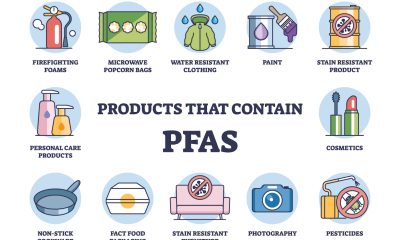
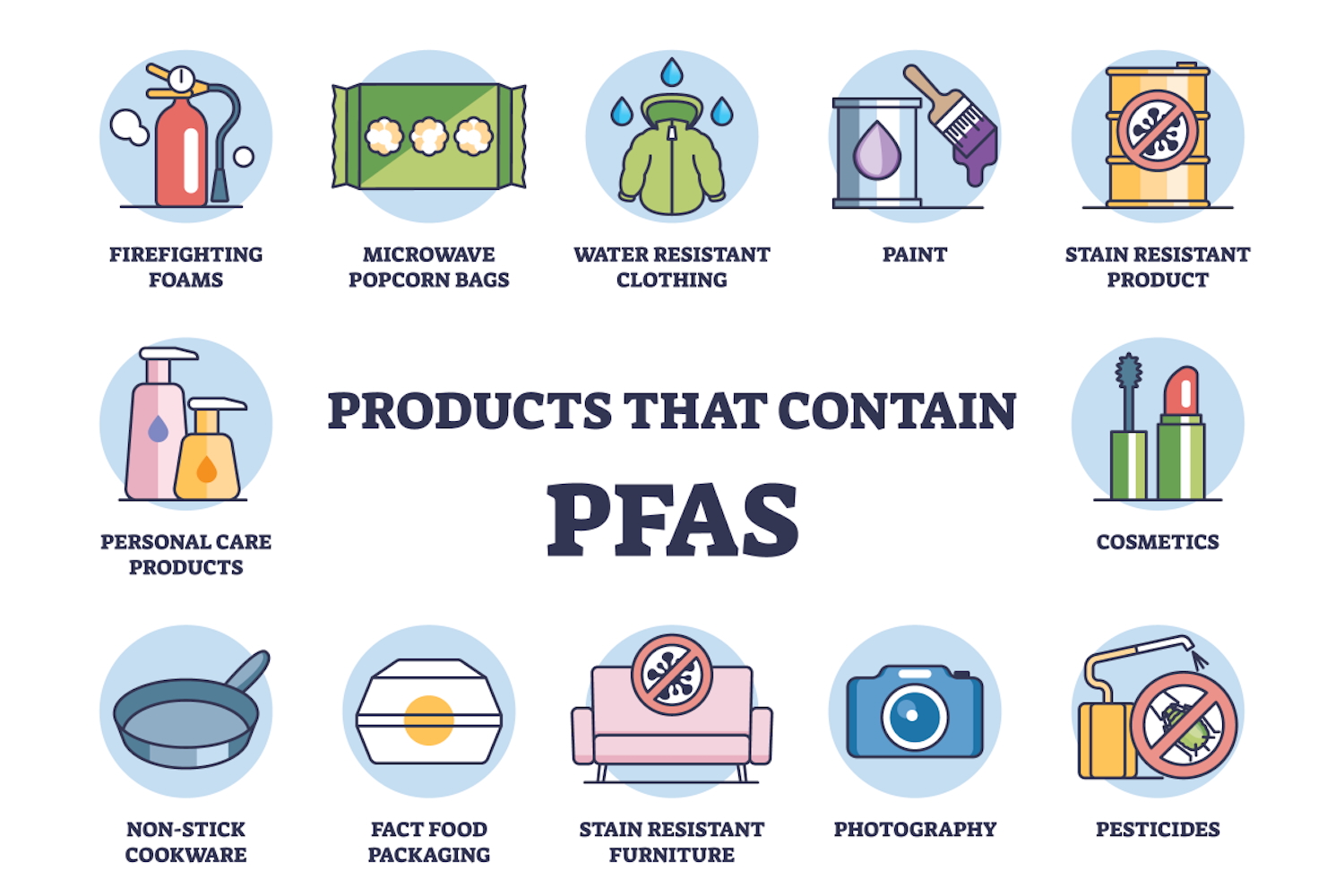
PFAS are harmful, long-lasting chemicals hiding in everyday products, but with the right steps, you can reduce exposure and take control of your health.
Today, most people are unknowingly exposed to PFAS, also known as forever chemicals, through everyday items like nonstick pans, fast food wrappers, and even dental floss. These synthetic chemicals, over 12,000 strong, are designed to resist water, stains, and heat. The problem is they also resist elimination from the human body. Bryan Johnson recently shared his PFAS test results and protocol to reduce exposure, and the findings are a wake-up call for anyone serious about health and longevity.
What Are PFAS and Why Should You Care?
Per- and polyfluoroalkyl substances (PFAS) are used in thousands of products for their durability and resistance to moisture and grease. They are man-made chemicals that have been used in a wide variety of products since the 1940s. However, this chemical convenience comes at a steep biological cost. According to the CDC, EPA, and NIH, PFAS exposure has been linked to:
- Lower sperm counts
- Disrupted thyroid function
- Immune system suppression
- Elevated cholesterol and liver damage
- Increased risk of kidney and testicular cancers
- Reduced fertility and neurodevelopmental issues
These aren’t fringe studies. The science is solid, with dozens of well-powered epidemiological studies showing consistent correlations.
How PFAS Build Up in Your Body
PFAS are persistent by design. Unlike many other chemicals that the liver or kidneys can flush out, PFAS stick around in your blood, your organs, and even your reproductive system. Once they enter, they’re hard to remove.
Bryan Johnson’s recent blood test showed:
- Total PFOA: 1.04 ng/mL
- PFOS: 0.57 ng/mL
- PFHxS: 0.29 ng/mL
- Total PFAS: 1.90 ng/mL
These levels place him in the lowest 25 percent of PFAS exposure compared to the general U.S. population. Research suggests adverse health effects begin to appear above 2.0 ng/mL, making his low levels a reflection of intentional reduction strategies.
Science-Backed Ways to Reduce PFAS Exposure
Reducing PFAS exposure is both possible and impactful. Here are some evidence-based strategies:
- Filter your water with a reverse osmosis or carbon-block system. Tap water is a common source of PFAS.
- Avoid nonstick cookware, especially when scratched or chipped, as it can release PFAS into food. Opt for stainless steel or cast iron.
- Ditch fast food wrappers and microwave popcorn bags, which often use grease-resistant PFAS coatings.
- Skip stain-resistant clothing and furniture. PFAS are added to make fabrics water and stain repellent.
- Use glass or stainless steel containers for storing food, instead of plastic-lined containers.
These changes may seem small, but they reduce cumulative exposure. As Bryan noted, “the less you add, the better off you are.”
PFAS and Generational Health
PFAS exposure doesn’t just affect you. It impacts future generations. Studies show PFAS can cross the placenta, affect semen quality, and disrupt hormone levels in both men and women.
- In men, PFAS levels in semen correlate more strongly with low testosterone than levels in blood.
- In women, higher PFAS levels are associated with a 39 percent lower chance of conceiving within a year.
- Sons of mothers exposed to PFOA during pregnancy were found to have significantly lower sperm counts later in life.
The effects of exposure ripple through families, making prevention not just personal but generational.
Final Thoughts
PFAS are everywhere, but you are not powerless. Start by filtering your water and swapping out common household items that silently contribute to your exposure. Bryan Johnson’s test results show that meaningful reduction is possible. Getting tested for PFAS can offer insight into your exposure and help guide smart, science-backed choices. PFAS may be “forever chemicals,” but with vigilance and informed action, they don’t have to be forever in you.
🩺 Disclaimer
The content on I Won’t Die is for informational and educational purposes only. It is not a substitute for professional medical advice, diagnosis, or treatment. Always consult a qualified healthcare provider with any health concerns.
🚀 Get Started with Blueprint
Start optimizing your health today with $25 off your first order! Use our referral code to begin your Blueprint journey and take control of your longevity.
🏋️♂️ Track Your Sleep, Workouts & Recovery
Boost your performance and recovery with Whoop. Join with my referral link to get a free WHOOP 5.0 and one month free!
📲 Download the I Won’t Die App
Stay ahead with the latest news, updates, and insights. Download the I Won’t Die app now on the Apple App Store and Google Play!
📩 Contact Us
Have tips, photos, or questions? Want to collaborate? Reach out at [email protected] — we’d love to hear from you!
🔗 Stay Connected
Follow us on Don't Die, Facebook, X, Instagram, YouTube, and LinkedIn for Blueprint longevity and Bryan Johnson updates.
📬 Subscribe to I Won’t Die Newsletter
Get the latest longevity breakthroughs, Blueprint updates, and exclusive content straight to your inbox — sign up now!
Bryan Johnson Updates
Who Is the Healthiest Person in the World? This Man’s Data-Driven Life May Be the Answer

Bryan Johnson tracks over 60 biomarkers and follows a precision health protocol that could make him the healthiest person in the world.
Today, we explore the question on everyone’s mind: Is Bryan Johnson the healthiest person in the world? Move over Elon Musk (richest) and Usain Bolt (fastest).
After five years of meticulously tracking his body, testing experimental therapies, and quantifying 60+ biomarkers that predict mortality, Johnson claims to have reversed his biological age. In his latest video, he shares not only the results, but the philosophy and data that guide his Blueprint protocol.
Let’s take a closer look at what he’s doing, what the science says, and whether it really is possible to make yourself younger.
Age escape velocity is no longer science fiction
Johnson introduces the idea of “age escape velocity.” It’s the moment when your rate of biological aging slows down enough that you outpace the damage being done to your body. While clean eating and regular exercise help, he insists they’re not enough. Reaching this next level of health requires advanced tools like hyperbaric oxygen therapy, epigenetic analysis, stem cells, and precision medicine.
What does it really mean to be healthy?
He redefines “health” as more than just avoiding disease. Instead, it’s about measuring biological age across every organ, function, and system such as skin, heart, liver, telomeres, VO₂ max, inflammation, sperm quality, and more. This whole-body scorecard paints a more complete picture of where you are and how far you can go.
One of his key insights: being “healthy” is measurable. With the right tools and tests, you can compare your biology against thousands of others and make meaningful changes.
6 key biomarkers that stand out
Bryan highlights six metrics from his 60+ biomarker list that are especially predictive of mortality and healthy aging:
#1 Speed of Aging
Measured through epigenetics, Bryan’s speed of aging score is 0.54 (best pace 0.48). That means Bryan celebrates his birthdate every two years.
#2 Inflammation (hs-CRP)
Undetectable. Zero systemic inflammation, a rare and powerful marker of cellular health.
#3 Sperm Health
Better than men from the 1970s. His metrics align with those of a healthy 20-year-old, despite being 47.
#4 Cardiorespiratory Fitness (VO₂ Max)
Ranks in the 85th percentile for 18-year-olds, a strong predictor of longevity and resilience.
#5 Telomere Length
Comparable to a 10-year-old, suggesting unusually youthful cellular replication.
#6 Bone Density
Ranks in the 99.8th percentile, critical for mobility and long-term strength. He’s got strong bones!
The transformation: from depressed and inflamed to world-class biomarkers
Just five years ago, Johnson says he was overweight, inflamed, depressed, and aging fast. Today, his protocol includes:
- 2,250 carefully curated calories per day
- Daily exercise and sleep optimization
- Evidence-based therapies (e.g., sauna, HBOT, stem cells)
- Elimination of any therapy that fails to deliver measurable benefit
The key, he says, is not personalization for its own sake, but following data from large-scale human studies and measuring everything.
Mistakes and surprises along the way
Not everything has worked. Rapamycin, a popular longevity drug, actually accelerated his aging in one specific marker. Fat injections intended to restore facial volume caused an allergic reaction and swelling.
But the biggest surprise? How resilient the body is. Bryan believes his recovery from decades of poor health proves that meaningful reversal is possible, even in midlife. That should give people like us hope!
What can you do right now?
You don’t need millions of dollars or a full lab team. Johnson says the single most powerful intervention is lowering your resting heart rate before bed. That includes:
- Eating earlier and lighter (select food from the Don’t Die Food Guide)
- Avoiding alcohol and late-night stress
- Prioritizing excellent sleep
When sleep improves, everything else compounds: better exercise, better eating, better results.
Final Thoughts
Bryan Johnson may not be immortal, but his Blueprint protocol is one of the most rigorous and transparent longevity experiments ever attempted. By slowing his speed of aging, reversing inflammation, and outperforming most 20-year-olds on key health metrics, he challenges what we thought was possible.
Is he the healthiest person in the world? Possibly. However, the bigger story is this: with enough data and discipline, anyone can start walking that path. And that might be the most exciting part of this new era in health.
🩺 Disclaimer
The content on I Won’t Die is for informational and educational purposes only. It is not a substitute for professional medical advice, diagnosis, or treatment. Always consult a qualified healthcare provider with any health concerns.
🚀 Get Started with Blueprint
Start optimizing your health today with $25 off your first order! Use our referral code to begin your Blueprint journey and take control of your longevity.
🏋️♂️ Track Your Sleep, Workouts & Recovery
Boost your performance and recovery with Whoop. Join with my referral link to get a free WHOOP 5.0 and one month free!
📲 Download the I Won’t Die App
Stay ahead with the latest news, updates, and insights. Download the I Won’t Die app now on the Apple App Store and Google Play!
📩 Contact Us
Have tips, photos, or questions? Want to collaborate? Reach out at [email protected] — we’d love to hear from you!
🔗 Stay Connected
Follow us on Don't Die, Facebook, X, Instagram, YouTube, and LinkedIn for Blueprint longevity and Bryan Johnson updates.
📬 Subscribe to I Won’t Die Newsletter
Get the latest longevity breakthroughs, Blueprint updates, and exclusive content straight to your inbox — sign up now!

Sleep is the ultimate recovery tool, but modern habits may be robbing you of it and here are six to fix tonight for better health and longevity.
Today, Bryan Johnson reminded us that nothing tastes as good as sleep feels and he’s right. As someone obsessed with maximizing longevity and healthspan, he knows that sleep is not just a luxury but a biological requirement. Miss it consistently and your brain, metabolism, mood, hormones, and immune system all start to unravel. Sleep is when your body repairs, your mind consolidates memory, and your cells reset. And yet, most of us are doing it wrong.
In a series of recent posts, Bryan highlighted six common habits that can wreck your sleep. We’re breaking them down with science-backed solutions and a few of our own tips for better rest.
#1 Eating Too Late
Late-night meals delay digestion and disrupt melatonin production, a key hormone that signals your body to wind down. A 2020 study in The Journal of Clinical Endocrinology & Metabolism showed that eating dinner late, especially high-fat meals, shifts your circadian rhythm and spikes nighttime glucose levels.
Fix: Stop eating at least three hours before bed to support natural melatonin release and give your body time to focus on sleep, not digestion.
#2 No Wind Down Routine
If your body doesn’t get a consistent signal to transition into sleep mode, it stays in a heightened, alert state. Scrolling, working, or watching fast-paced content keeps your nervous system activated.
Fix: Create a 30-minute pre-bed ritual that could include stretching, reading, dim lighting, or meditation. The goal is to signal: “It’s time to rest.”
#3 Caffeine Too Late in the Day
Caffeine has a half-life of up to six hours, which means that your 3 PM coffee can still be in your system at 9 PM. Even if you fall asleep, caffeine reduces deep sleep and increases nighttime wakefulness.
Fix: Cut off caffeine by 12 PM, especially if you’re sensitive. Try herbal teas or adaptogens like ashwagandha in the afternoon instead.
#4 Exposure to Bright Light in the Evening
Light suppresses melatonin and delays your body’s natural sleep onset time. Blue light from screens is especially disruptive.
Fix: Dim lights two hours before bed. Use warm-colored bulbs or smart lights that shift color temperature at night. Enable Night Shift or use blue-light blocking glasses.
#5 Wrong Bedroom Temperature
Your core body temperature needs to drop for sleep to begin. A warm bedroom can interfere with that process, causing restless sleep and more frequent waking.
Fix: Set your thermostat to 60–67°F at night. Use breathable bedding and consider cooling mattress pads or fans if needed.
#6 Unregulated Noise
Noise spikes can jolt you out of deep sleep even if you don’t fully wake up. Chronic sleep fragmentation reduces sleep quality and recovery.
Fix: Use white noise machines, earplugs (our favorite!), or apps like Sleep Cycle that gently mask disruptive sounds. Make your bedroom a true recovery chamber.
Final Thoughts
As Bryan reminds us, “You can’t sleep when you’re dead!” However, poor sleep might get you there faster. Bryan Johnson’s recent reminders are yet another wake-up call. If you’re serious about health and longevity, optimizing sleep should be non-negotiable. Fixing just one of these habits can pay off in better energy, clearer thinking, and lower disease risk. Fix all six and you may discover just how good sleep can feel.
🩺 Disclaimer
The content on I Won’t Die is for informational and educational purposes only. It is not a substitute for professional medical advice, diagnosis, or treatment. Always consult a qualified healthcare provider with any health concerns.
🚀 Get Started with Blueprint
Start optimizing your health today with $25 off your first order! Use our referral code to begin your Blueprint journey and take control of your longevity.
🏋️♂️ Track Your Sleep, Workouts & Recovery
Boost your performance and recovery with Whoop. Join with my referral link to get a free WHOOP 5.0 and one month free!
📲 Download the I Won’t Die App
Stay ahead with the latest news, updates, and insights. Download the I Won’t Die app now on the Apple App Store and Google Play!
📩 Contact Us
Have tips, photos, or questions? Want to collaborate? Reach out at [email protected] — we’d love to hear from you!
🔗 Stay Connected
Follow us on Don't Die, Facebook, X, Instagram, YouTube, and LinkedIn for Blueprint longevity and Bryan Johnson updates.
📬 Subscribe to I Won’t Die Newsletter
Get the latest longevity breakthroughs, Blueprint updates, and exclusive content straight to your inbox — sign up now!

The Sleep Blueprint: Bryan Johnson’s Data-Backed Guide to Better Rest

Fireworks, Freedom, and Fallout: What July 4th Is Doing to Your Body and Brain

How to Reduce PFAS Forever Chemicals in Your Body and Home

Are You Poisoning Your Pet Without Knowing It? Blueprint Quantified Just Went Live

The Power of Flavonoids: How Adding Them to Your Diet Can Support Healthy Aging

My First Microplastics Blood Test with Blueprint

Don’t Die Podcast #7: How Sauna Improved Bryan Johnson’s Vascular Health

Glass Bottles Contain More Microplastics Than Plastic or Cans, Surprising Study Finds

Why International Travel Is Brutal for Your Health and What You Can Do About It

How Bryan Johnson Removed 93 Percent of Microplastics From His Blood

What Ted Ryce Would Tell His 20-Year-Old Self About Health, Confidence, and Longevity

Who Is the Healthiest Person in the World? This Man’s Data-Driven Life May Be the Answer

How Sauna Sessions Helped Bryan Johnson Eliminate 7 Harmful Toxins

The Weekly Blueprint: How Planning Ahead Can Radically Improve Your Health and Productivity

Why Health Is Your Greatest Asset for Success, According to Bryan Johnson

Bryan Johnson Shares Details of His HBOT Protocol for Longevity

WHOOP MG Review: Improved Accuracy, New Features, and How WHOOP Age Compares to Blueprint’s Speed of Aging

Bryan Johnson Updates His Morning Routine Again: Here’s What’s New in May 2025

The Healthiest Lab Results Ever Recorded? Inside Bryan Johnson’s Longevity Bloodwork

Bryan Johnson Sat in a 200°F Sauna for 7 Days. Here’s What Changed

Don’t Die Podcast #3: Why Resting Heart Rate May Be the Most Powerful Health Metric for Sleep and Longevity

Does Bryan Johnson’s Sleep Routine Actually Work? We Put It to the Test

My May Lab Results: What Improved, What Didn’t, and What’s Next

Why Allulose Might Be the Ultimate Longevity Sweetener

Can Shockwaves Rejuvenate Your Body? Bryan Johnson Thinks So

Don’t Die Podcast #2: Breathe Better, Live Longer With Hyperbaric Oxygen Therapy

What Bryan Johnson Just Told Bitcoin Conference 2025 About Sleep, Sex, and Living Forever
My First Microplastics Blood Test with Blueprint

How Strong Are Your Bones? Bryan Johnson’s Blueprint for Bone Health and Longevity

How Bryan Johnson Gets Perfect Sleep Scores Every Night: A Blueprint for Deep Rest
-
 Bryan Johnson Updates5 months ago
Bryan Johnson Shares Details of His HBOT Protocol for Longevity
-
 My Longevity Journey5 months ago
WHOOP MG Review: Improved Accuracy, New Features, and How WHOOP Age Compares to Blueprint’s Speed of Aging
-
 Bryan Johnson Updates5 months ago
Bryan Johnson Updates His Morning Routine Again: Here’s What’s New in May 2025
-
 Bryan Johnson Updates5 months ago
Bryan Johnson Sat in a 200°F Sauna for 7 Days. Here’s What Changed