Bryan Johnson Updates
What Bryan Johnson Just Told Bitcoin Conference 2025 About Sleep, Sex, and Living Forever


Bryan Johnson’s Bitcoin Conference 2025 talk revealed how sleep and longevity may outperform even the most bullish crypto bets.
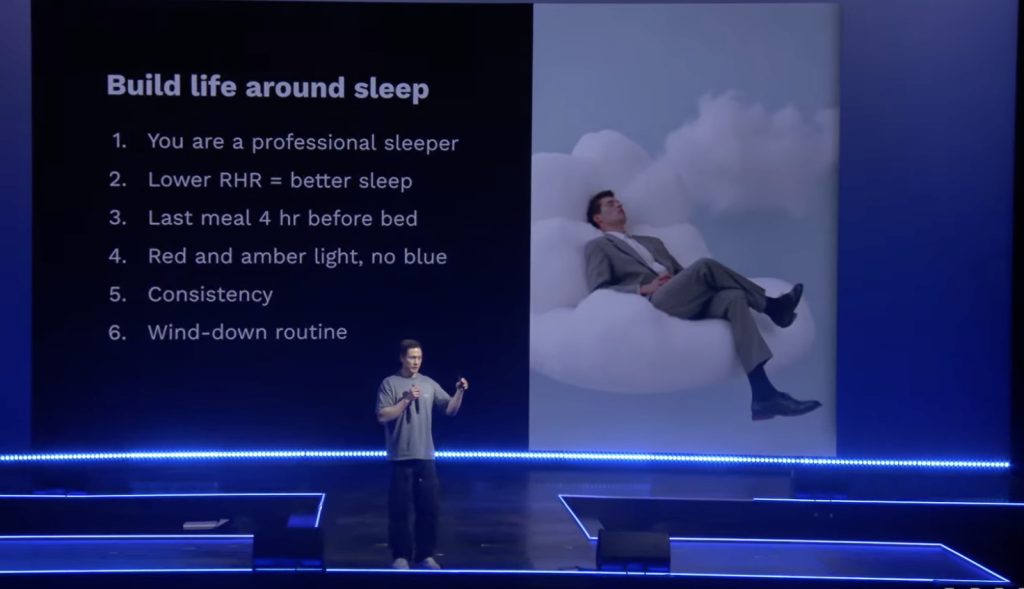
Today, at Bitcoin Conference 2025 in Las Vegas, Bryan Johnson took the stage with a message no one saw coming. Instead of charts and halving cycles, he spoke about sleep, aging, and the radical possibility that we might be the first generation to beat death. “Wouldn’t it be cool if we were all around for the last Bitcoin halving in 2140?” he asked. Then he made his case.
In front of a crowd expecting blockchain insights, Johnson argued that the most important revolution of our time is not financial. It is biological. The tools now exist to measure, optimize, and slow the aging process. And if we take the opportunity seriously, we may be able to extend life in ways once thought impossible.
According to Johnson, it starts by treating health as a competitive sport. The new metric of success is no longer net worth or portfolio gains. It is your resting heart rate, your sleep score, and how slowly your body is aging. Longevity, he said, might just be the biggest moonshot of all.
Here are the key takeaways from Bryan’s talk at Bitcoin Conference 2025.
Rejuvenation as a Global Sport
Johnson introduced himself not as a tech founder, but as the world’s first “rejuvenation athlete.” Over the past few years, he’s worked to convert health from a vague aspiration into a data-driven pursuit. He tracks 60 of the most predictive markers of aging and invites others to beat his scores.
He founded the Rejuvenation Olympics, where people compete to slow their biological age. Johnson currently holds the number one spot globally with a speed of aging score of 0.55. That means for every 12 months that pass, his body only ages about 6 months.
The One Biomarker That Rules Them All
With so much confusing and conflicting health advice out there, Johnson urged the audience to focus on one critical metric: resting heart rate before bed.
He explained that after achieving eight consecutive months of perfect sleep (a 100% sleep score), he discovered a consistent truth. The lower your resting heart rate at bedtime, the higher your sleep quality, which cascades into better mood, stronger willpower, and improved long-term health.
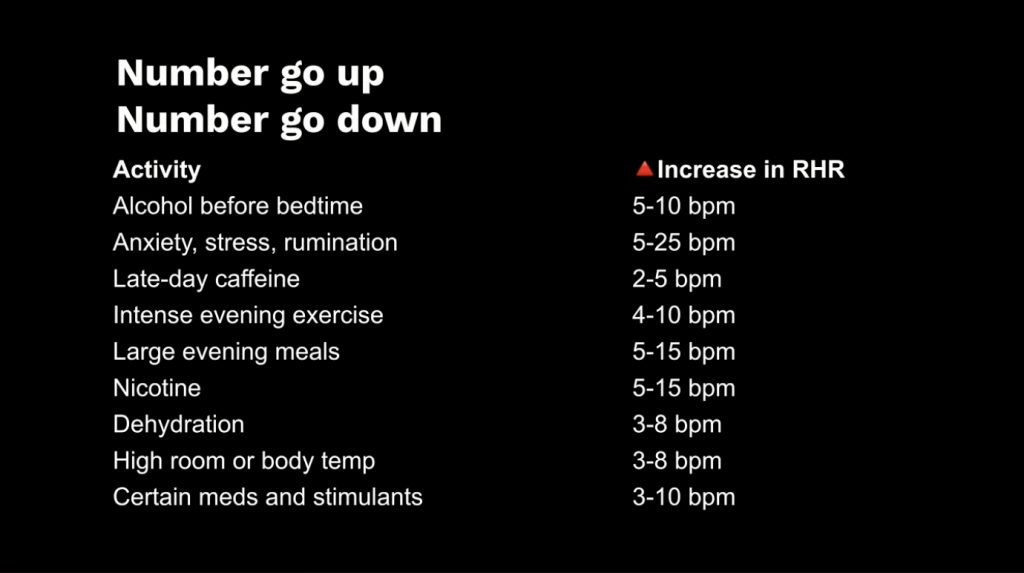
The Chart: What Increases Resting Heart Rate Before Sleep
Activities like alcohol, stress, eating late, and screen time can all raise your resting heart rate. Even moderate changes, like finishing your last meal four hours before bedtime, can make a big difference. Bryan put up a slide with a lot of ways to lower your resting heart rate.
Build Life Around Sleep
Johnson’s prescription for the Bitcoin crowd was clear:
- You are a professional sleeper
- Lower RHR = better sleep
- Last meal 4 hours before bed
- Red and amber light only in the evening
- Consistency is everything
- Create a wind-down routine
He challenged the audience to try it tonight. Lie down, breathe deeply, check your pulse or wearable data, and track progress by aiming to reduce RHR by 10% in one month.
Why It Matters: From Sex to Cancer to Decision-Making
Sleep, Johnson emphasized, is not just about feeling rested. It’s a core biological process that influences sexual health, immune function, and even cancer detection.
He cited research showing that poor sleep reduces natural killer cell activity (which fights cancer) by 73%. A single night of 4-hour sleep can trigger brain inflammation equivalent to a traumatic injury.
For men and women, reduced nighttime erections are a signal of aging and health decline. Lack of sleep leads the body to shut down essential functions, including sexual health and cancer surveillance.
Eat from the Sky and the Power of Nutrition
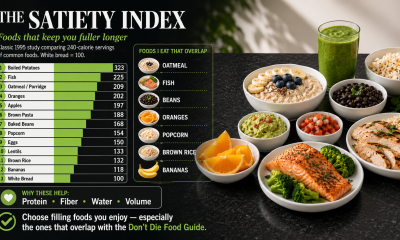
Johnson also shared a QR code linking to his personal food protocol, called the Don’t Die Food Guide, which emphasizes nutrient-dense superfoods and a strict standard: every calorie must “fight for its life.”
He called it “eating from the sky.” It’s a reference to clean, longevity-focused nutrition designed to support mitochondrial health and recovery.
Aligning AI and the Don’t Die Philosophy
Johnson closed with a reflection on AI, which he called the most consequential force besides Bitcoin.
As AI grows faster than we can comprehend, he believes a new cultural operating system is needed. Don’t Die, he proposed, is a unifying philosophy that can guide humanity through the age of superintelligence.
It echoes religion in its scope, but it is rooted in science. For the first time, humans can rationally argue that death might be optional. And that shift, he said, requires a revolution in mindset, starting with sleep and self-optimization.
Final Thoughts
Bryan Johnson didn’t just give a keynote, he delivered a wake-up call. The Bitcoin 2025 audience came for a financial revolution, but got a biological one and we loved it!
Prioritize sleep. Lower your resting heart rate. Track your biomarkers. The road to longevity might just be the best path to better decision-making, stronger communities, and yes, maybe even outsized returns in Bitcoin.
The first step? Go to bed early tonight and build your life around sleep.
Full Transcript From Bryan Johnson’s Talk at Bitcoin Conference 2025
So my case with you guys is that the last halving of Bitcoin is 2140, is that not? Wouldn't it be cool if we were all around for that? My message to you is that we may be the first generation who won't die. That has been a ridiculous statement from when time began, and this is the first time that has ever been possible. You can see my slides? No?

Okay, so what I've been doing the past couple years is I've been trying to take a qualitative idea of health and make it into a global competitive sport. Give something numbers, status, and ranking, and humans love to play that game. I've tried to be the world's first rejuvenation athlete. So you see here, I've posted I have the world's best, equals to 60 of the most predictive markers for longevity, and I do so in a way to invite others to try to replicate and beat my scores. But it's also a point to try to say you can, in fact, quantify health, that we are transitioning from a world of storytelling to a quantified framework.

So one thing I've learned over the past couple years, I've been measuring my speed of aging. So inside of each one of you is a clock that tells you how fast or how slow you're aging. If you're aging at a 1, that means one year of time passes, and you age one year. If you are 1.2, you're aging faster than time is passing. And if you're less than, you're slower than time is passing.

So in consistent with trying to make this a global sport, I created the Rejuvenation Olympics, where people all around the world are competing to see who has the lowest speed of aging score. I'm currently number one in the world, 0.55, three test score. This means that for every year that passes, I age roughly six months. So you can, in fact, meaningfully slow down your speed of aging through various things I'm going to talk to you about today.

So you probably hear a lot of things about health. It probably seems all very confusing, and people disagree with everyone about everything. So what do you do? I'm gonna help you understand there's one marker in particular that will help you achieve the majority of the health benefits, lowering your resting heart rate before bed, okay? So we're gonna spend about five minutes on this. Everyone put your phones down and let's focus on this, yeah? Okay.

So my credentials in doing this is I scored eight months of perfect sleep. A 100% sleep score for eight months. I wanted to demonstrate you can, in fact, master the practice of sleep. And in doing this, I realized in all my practices that the most important marker determining whether or not I was going to have restful sleep was my resting heart rate before bed.

So tonight, when you go to bed, lay down on your pillow, take a few deep breaths. If you have a wearable, pull it up and see your heart rate in real time. If not, just take your pulse for six seconds and then multiply that by 10. Let's say your resting heart rate is 6.5. Your goal over the next month is to lower your resting heart rate by 10% to 54. And the way you're going to do this is these things right here.

So one of the biggest things that I've seen is the timing of my final meal of the day is perhaps the greatest influencer of my resting heart rate. So my final meal of the day now is around noon. I go to bed at 8:30. You don't need to do that if you simply start with four hours before your bedtime. So if your bedtime is 10 p.m., finish eating your final meal for the day by 6 p.m. No snacks and no food after that. You'll notice that when you do that, your resting heart rate goes down because your body is almost finished digesting food, and it leaves metabolic capacity of your body to then sleep.

You see here in these other things, alcohol, for example, increases your resting heart rate. So if you say, again, your bedtime is 10 p.m., when 9 p.m. arrives, screens off, and you're in a wind-down mode, calming your body and mind from the day's stress. So you know this from experience. When that moment of the day comes, you're stressed, you're tired, you're mad, you're anxious, you have all kinds of ambitious thoughts. That rumination will drive your heart rate up, which will lessen your sleep quality.

Your sleep quality goes down. And when your sleep quality goes down, your mood goes down. Your want of bad foods goes up. So sleep triggers this cascade where you're not going to exercise, you're going to eat bad foods, you're going to put on weight, you're going to have mood imbalances. Sleep is the number one best performance enhancing drug in the world, of your sleep quality.

So to summarize health in one statement, if you lower your resting heart rate before bed, you will achieve the majority of the health benefits through all the good things you can do in life. It leads to high quality sleep, which then leads to more positive behavior. So I would encourage you to make that your single practice. It's also your accountability partner. So if before bed, you are looking at that pint of ice cream or the bag of chips, you realize that's going to drive up your heart rate, and you're not going to do it.

These are the things I would suggest. It is very counterintuitive in our culture today. I would suggest each one of you build your life around sleep. This is what I've learned over five years of doing this, of having the best biomarkers of anybody in the world. Building your life around sleep is the best thing you can do to make more money in Bitcoin. You'll make more money in Bitcoin if you get sleep. And I know many of you don't believe that. You will. You will make better decisions.

This is true for men and women. Did you know that nighttime erections, men and women, is one of the most important biomarkers for your health? It is psychological, cardiovascular, and your fitness. So as you age, this is again true for men and women, nighttime erections go down. It is a function of aging damage.

So when I first started talking about this as a poor marketer, I had several friends, many of which are in Web3, who were saying, Bryan, I have no nighttime erections. That's what happens. When you don't get sleep, your body shuts down critical functions, including your sexual function. It also eliminates, you have NK cells in your body. These are cells that go out and survey for cancer. When you don't get high quality sleep, your body lowers searching for cancer by 73%. Your body stops looking for cancer.

Also, when you get four hours of sleep at night, there's a response in your brain of an inflammatory protein that is equal to a traumatic brain injury. So I want to impress upon you that sleep is not just a productive thing that helps you make better decisions and have a stable mood. It also, if you don't get it, your body literally shuts down really important functions.

So here, I'm just going to give you guys this. Pull out your phones. Grab this QR code. This is what I eat on an ongoing basis. So the thing that distinguishes my endeavor is we have combed through the scientific evidence. We've used the philosophy to say every calorie has to fight for its life. Every single molecule that gets in my body. And we said, what are the superfoods among superfoods? This is a great representation.

So as you try to, number one is lower your resting heart rate. Two is have good nutrition and eat from the sky.

Finally, I think we all know this, the most consequential thing happening in the world right now, of course, outside of Bitcoin, that's obvious. Second to Bitcoin is AI. AI is progressing at a speed that is unfathomable to our current minds. It is changing things beyond our ability to understand.

As it does this, a new game. And whereas right now our games are primarily locked in on status and prestige, not wealth and power, the new game as a species is going to become how we stay alive individually, trying to answer the fundamental question, what does a species do when you're giving birth to superintelligence? Don't die individually. Don't kill each other. Don't destroy the planet. Align AI with don't die.

Don't Die is attempting to be the world's next Christianity, Islam. It is meant to say, as a species, this is what we do. This moment can't be overstated in consequence. For centuries, for millennia before, you would say, death is inevitable. Therefore, YOLO. I'm going to raise an army and conquer territories. I'm going to go to war. Be immortal in my professional accomplishments. I'm going to acquire wealth. I'm going to have children.

This is the first moment in the history of the human race where somebody can say with a straight face, we may be the first generation who will not die. And that requires a fundamental revolution. Don't Die is the single thing that every human on this planet can agree to.

So in summary, I hope you guys are open to the idea that this moment is fundamentally different than any previous moment, that you practice these principles of Don't Die starting with your resting heart rate. You'll be more successful, you'll be happier, you'll be a better family member, better partner, better at your work if you prioritize sleep, that I think is unfathomable in current minds.

Thank you, be well.
🩺 Disclaimer
The content on I Won’t Die is for informational and educational purposes only. It is not a substitute for professional medical advice, diagnosis, or treatment. Always consult a qualified healthcare provider with any health concerns.
🚀 Get Started with Blueprint
Start optimizing your health today with $25 off your first order! Use our referral code to begin your Blueprint journey and take control of your longevity.
🏋️♂️ Track Your Sleep, Workouts & Recovery
Boost your performance and recovery with Whoop. Join with my referral link to get a free WHOOP 5.0 and one month free!
📲 Download the I Won’t Die App
Stay ahead with the latest news, updates, and insights. Download the I Won’t Die app now on the Apple App Store and Google Play!
📩 Contact Us
Have tips, photos, or questions? Want to collaborate? Reach out at [email protected] — we’d love to hear from you!
🔗 Stay Connected
Follow us on Don't Die, Facebook, X, Instagram, YouTube, and LinkedIn for Blueprint longevity and Bryan Johnson updates.
📬 Subscribe to I Won’t Die Newsletter
Get the latest longevity breakthroughs, Blueprint updates, and exclusive content straight to your inbox — sign up now!


The simple, practical longevity habits Bryan Johnson says matter most after spending millions trying to slow aging.
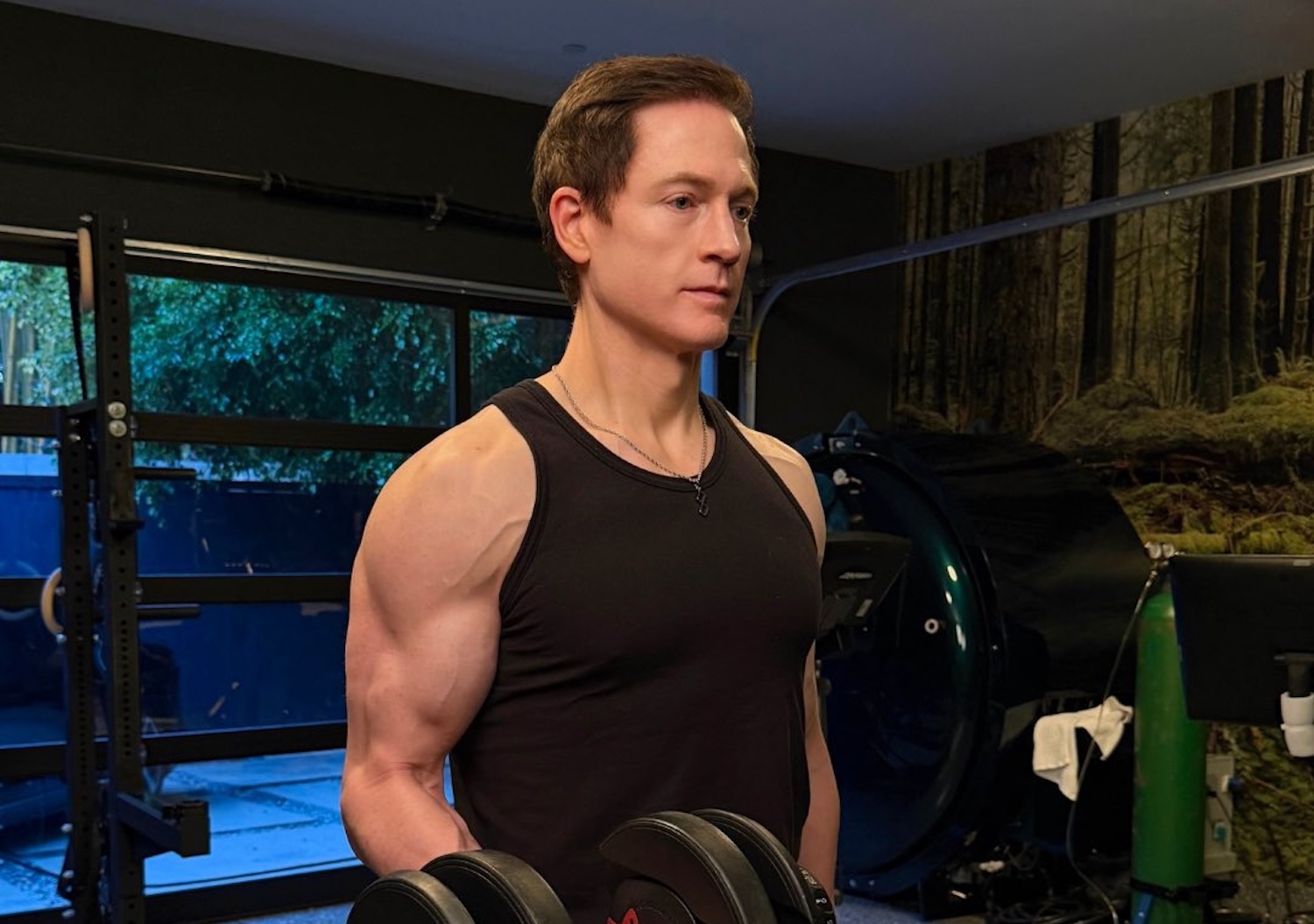
Bryan Johnson just gave what arguably could be the best advice he has ever given. The man spent millions of dollars chasing longevity, measuring his body, testing interventions, optimizing routines, and trying to reverse the aging process. So when he posted a simple list titled “Everything learned spending millions on longevity,” it landed differently, because it was almost shockingly practical and he didn’t mention questionable drugs he takes (not a fan of that).
The post opens with: “This is it. Everything learned spending millions on longevity.” He frames it as advice from “Your Immortal Unc and Auntie” to “Our Immortal nieces and nephews,” then proceeds to list forty-two simple health principles anyone can start applying.
And honestly, that might be the most powerful part.
After all the bloodwork, supplements, testing, tracking, technology, and experimentation, the best advice comes back to the basics:
- Sleep (And I’ve written about this one countless times).
- Eat real food.
- Move your body.
- Lift heavy things.
- Get sunlight.
- Protect your skin.
- Take care of your teeth.
- Spend time with friends.
- Drink water.
- Reduce stress.
- Avoid alcohol, smoking, fried foods, added sugar, late caffeine (check out my app Last Sip), screens before bed, and sitting too long.
- Build routines.
- Do less of what does not work.
- Start with baby steps.
That is the message, no miracle pill, hack, or secret biohacking protocol only available to people with millions of dollars.
It’s just daily things most people already know they should do, but often overlook because they seem too simple.
Why This Post Matters
What I like about this list is that it strips longevity down to what actually moves the needle.
There is a lot of noise in the health and wellness world. One day it is cold plunges. The next day it is red light therapy. Then it is a supplement stack, a wearable, a new diet, a fasting protocol, or some complicated morning routine that looks good online, but is almost impossible to maintain in real life.
But Bryan’s list is different because it basically says:
Start with the foundation.
- Be in bed for 8 hours.
- Keep a consistent bedtime.
- Do not eat right before bed.
- Finish coffee before noon.
- Walk after meals.
- Lift weights.
- Get your heart rate up.
- Stretch.
- Floss.
- Brush.
- Drink water.
- Get morning sunlight.
- See friends.
- Turn off notifications.
- Limit social media.
- Read a physical book before bed.
- Build a calm evening routine.
There is nothing flashy about any of that, but that’s probably the point.
The boring stuff works when you actually do it consistently.
The Best Part: “Do Less”
My favorite line might be near the end:
“Do less… most things don’t work.”
That is such a good reminder.
Health can become its own form of chaos if we’re not careful. You can track everything, optimize everything, buy every supplement, test every metric, and still miss the big picture.
The goal is not to make health complicated, but sustainable.
A simple routine you can repeat for years is better than the perfect routine you quit in two weeks.
Final Thoughts
This might be the best advice Bryan Johnson has ever given because it is not really about Bryan Johnson.
It is about the basics.
Sleep like it matters.
Eat food that came from the earth.
Move every day.
Lift heavy things.
Take care of your body before it forces you to.
Spend time with people you care about.
Get sunlight.
Avoid the obvious stuff that slowly wrecks you.
Build routines your body can count on.
That is the part I love.
You don’t need millions of dollars to start living healthier. You just need to respect the things that actually matter and do them consistently.
Start there.
It will change your life.
🩺 Disclaimer
The content on I Won’t Die is for informational and educational purposes only. It is not a substitute for professional medical advice, diagnosis, or treatment. Always consult a qualified healthcare provider with any health concerns.
🚀 Get Started with Blueprint
Start optimizing your health today with $25 off your first order! Use our referral code to begin your Blueprint journey and take control of your longevity.
🏋️♂️ Track Your Sleep, Workouts & Recovery
Boost your performance and recovery with Whoop. Join with my referral link to get a free WHOOP 5.0 and one month free!
📲 Download the I Won’t Die App
Stay ahead with the latest news, updates, and insights. Download the I Won’t Die app now on the Apple App Store and Google Play!
📩 Contact Us
Have tips, photos, or questions? Want to collaborate? Reach out at [email protected] — we’d love to hear from you!
🔗 Stay Connected
Follow us on Don't Die, Facebook, X, Instagram, YouTube, and LinkedIn for Blueprint longevity and Bryan Johnson updates.
📬 Subscribe to I Won’t Die Newsletter
Get the latest longevity breakthroughs, Blueprint updates, and exclusive content straight to your inbox — sign up now!
Bryan Johnson Updates
Bryan Johnson Has A Girlfriend: Finding The Person Who Feels Like Home And Why It Changes Everything

Reflections on Bryan Johnson’s story and the rare calm that comes when a connection simply fits.
Some stories hit close to the heart because they name something you have quietly felt but never said out loud. Bryan Johnson’s announcement today, that he has a new girlfriend, did exactly that. Bryan Johnson, 48, and Kate Tolo, 29, have a story that feels grounded and sincere, a reminder of how connection can build slowly and quietly over long stretches of shared work, trust, and honesty. It is rare to come across a relationship story told with this kind of openness and intention.
There are times in life when you meet someone and something in the exchange feels different. Not dramatic. Not loud. Just unmistakably right. Two puzzle pieces that suddenly reveal why the edges of past relationships never fully aligned. It creates a feeling of calm recognition, of presence, of seeing and being seen. You do not demand anything from it. You simply feel grateful that such a connection exists at all.
Reading Bryan’s words made me think about how people cross paths, how timing shapes everything, and how the right person can bring out parts of you that had been quiet for a long time. When he described Kate as land after years at sea, that metaphor captured something that many of us feel when someone new brings steadiness, light, and clarity into our lives. Even before anything is defined, you sense the possibility of something meaningful, something built on trust and shared effort.
His story is a reminder that deep companionship is one of the greatest human experiences. It is also a reminder that the right fit is not always fast. Often it grows slowly, through shared values, respect, and the gentle consistency of showing up for each other. The right person makes your world feel more grounded. They change how you think about the future without ever asking you to.

In Bryan Johnson’s Words
With that, here is Bryan’s full announcement in his own words…
"Guys…I have a girlfriend.

Now I know what you’re thinking…how is it possible that anyone would want to be with me? I understand where you’re coming from. I think the answer is: her puzzle piece fits mine.

In my early twenties, I read the biography of the American founding father John Adams. He and his wife Abigail had one of the great partnerships in American history; intellectually matched, emotionally intertwined, and co-architects of something bigger than themselves. I wanted what they had.

But it wasn’t within reach. Years before, I’d married in a sort of arranged Mormon marriage. Unsure how else to explain it. We were functional, but we weren’t John and Abigail. We split after thirteen years.

At age 34, after selling Braintree Venmo, and emerging from a mismatched marriage and the repression of Mormonism, I set out to rebuild myself and find partnership.  I met a woman in LA who became my first-ever girlfriend. Coming from a sheltered background, I was blind to the obvious warnings. I was dangerously naive. That relationship unraveled and was followed by litigation. The experience was unnerving and left me wondering if I could ever trust again.

By the time I was 44, I started reconciling with the possibility of a life without partnership.

Kate Tolo and I met at my brain interface company Kernel. She’d discovered my work using neurotechnology to improve human well-being and merge human and AI. Even though she’d been dreaming of a career in fashion, she was drawn to what she foresaw as the defining question of our time: how will humans successfully co-evolve with AI. We shared the same obsession.

The puzzle piece fit was immediate, as immediate as either of us had ever experienced.

Yet we maintained our professional boundaries. When we worked on our first project together, the back and forth was effortless. She could conceptualize and feel what I couldn’t and vice versa. It helped that both Kate and I had a natural disposition towards hard work. Our joy came from creation.

Kate was luminescent. When I saw her about the office, butterflies fluttered in my stomach.  Each day she’d show up wearing some unexpected combination of colors, textures, styles and accessories. Always tasteful, playful and interesting. She didn’t chase fancy brands. Most of her clothing was from the thrift store. It wasn’t how she looked but how her mind worked: original, eccentric, entirely her own. She was art.

We both worked very hard and valued every second of the day.  One evening around 6:30 pm she dropped by my office and we talked for hours. It had been all business before.  This was the first time we stepped into each other’s personal lives. My heart strings pulled but my brain pushed back. ‘We know we can’t trust again’, my mind firmly stated.

Our after-hours meet-ups in my office became a daily ritual. The favorite part of my day. We’d reminisce about work and tiptoe a bit deeper each time into each other’s personal lives.

I’d recently started my new anti-aging project and one night Kate suggested to me that I should put the entire thing online to allow others to follow on. We worked together to put up a website and got a v1 out. We pondered what to call it, and decided on ‘Project Blueprint’.

We were oddly from entirely different worlds but somehow the same person. Yet neither of us dared take the next step. We didn’t want to imperil our work relationship and we remained deeply skeptical of each other.  The combination of Kate being raised to distrust all things and me still feeling the sting of the previous relationship left us stirring in a pot of anticipatory disaster.

Before long, whether we liked it or not, we’d become each other's favorite person. We’d spend every moment we could together. Social events and the weekends were still off-limits as our relationship was professional. We were both secretly wondering, ‘does the other person feel what I’m feeling?’

Unable to withstand any longer, after a year and a half of unspoken affection, one night I softly floated the balloon of inquiry. She confirmed it was reciprocal.

Still, with things being so new, neither of us wanted to make our relationship public. We needed time to stabilize, mature and assess whether this was short or long term. I’m a 48 year old American, raised Mormon, with three children. She’s a 30 year old Bosnian-Australian-American. It took time to bridge our worlds. In our years of knowing each other, three of them have been navigating a relationship. All while building a business and movement. There have been many times where we didn’t know if we’d make it.

In the last year, we’ve found our flow.  I trust Kate as much as my mother. She knows how to scaffold trust. She anticipates your anticipation and knows your reaction before you react. She’s meticulous in the integrity of our relationship. She’s even been pivotal in helping my father and me reconcile and navigate the contours of our relationship.

In the past few years, Blueprint and Don’t Die have become global phenomena. Kate is the unsung hero.  She and I have been stride on stride since inception. She’s proven an exceptional executor and despite her unconventional background, intuitively knows things. Her creativity keeps me forever guessing what she’ll say or come up with next. Our minds have become so intertwined that life feels naked without her.

Her story warrants being told as others will be better off emulating her practices and abilities.

What I find most impressive about Kate is her prescience and thoughtfulness. She sees forwards, backwards, and side to side. Relative to her, I feel myopic in my awareness of the world. She can see through others, as an x-ray would. She then structures all that information and can package it in simple, understandable terms. In ways that allow for everyone to win.

Kate is soft spoken, self-deprecating and understated. These attributes cloak her ferocious ambition, piercing intellect, and delightful creativity. Give her five minutes and she will reframe your world. But most people don’t know to look. They assume she’s my assistant. It’s such a loss because people are looking for what she has to offer.

My son Talmage, Kate, and I are family. Nothing makes us happier than being together. Our conversations are fast, dark, and rowdy. Family feeds the soul, and we are nourished. As my son considers possible partners, he wisely models them off of Kate.

Deep companionship is a universal human want.  And while there are eight billion of us on this planet, most struggle to achieve it, including those in relationships. It’s the most fulfilling of human experiences and also the most elusive. The joy of being seen, appreciated and loved, and offering the same to another.

I wrote dozens of different sentences trying to capture what the want and struggle for deep companionship feels like. I deleted them all as none could holistically capture the emotional architecture of it.

Then one day while exercising, I realized what it feels like: what the explorer Ernest Shackleton and his crew must have felt returning to land after being shipwrecked and surviving 497 days adrift in brutal Antarctic.

It’s a bit of a dramatic comparison, however, I suspect many of you can relate. Kate feels like land to me after being adrift and searching for 25 years.

Life sinks or sails based upon the quality of our most intimate relationships. No amount of professional success can plug the sinking hole of an acrimonious personal relationship.

At this point, Kate and I have nearly become one person. We have entire conversations with a single look, sound, gesture or image. We independently come up with the same ideas and insights, suggesting to me that maybe it’s our tandem effort generating them. Our relationship is stable, positive, and calm.

I’ve wanted this my entire life and impatiently waited 25 years for it to arrive. It’s better than anything I imagined.

Lucky me, I found my Abigail Adams."
Final Thoughts
Stories like Bryan and Kate’s remind us that the search for deep companionship is one of the most universal, most courageous undertakings in a person’s life. It asks you to stay open even when you have been hurt, patient even when timing is uncertain, and hopeful even when the path forward is not obvious.
The right connection never feels rushed. It grows in a space of honesty, trust, curiosity, and shared purpose. It deepens through small moments that add up to something significant. It brings peace instead of pressure. It makes the days feel lighter. And when it is right, you do not have to force it. You simply recognize it.
There is something powerful about being reminded that real partnership still exists and that it often shows up in unexpected ways. Bryan found his Abigail Adams. For anyone reading who feels a quiet spark with someone in their own life, this story might serve as a gentle reminder to stay open, stay present, and trust the timing of your own unfolding.
Because sometimes the person who feels like land is already walking beside you.
🩺 Disclaimer
The content on I Won’t Die is for informational and educational purposes only. It is not a substitute for professional medical advice, diagnosis, or treatment. Always consult a qualified healthcare provider with any health concerns.
🚀 Get Started with Blueprint
Start optimizing your health today with $25 off your first order! Use our referral code to begin your Blueprint journey and take control of your longevity.
🏋️♂️ Track Your Sleep, Workouts & Recovery
Boost your performance and recovery with Whoop. Join with my referral link to get a free WHOOP 5.0 and one month free!
📲 Download the I Won’t Die App
Stay ahead with the latest news, updates, and insights. Download the I Won’t Die app now on the Apple App Store and Google Play!
📩 Contact Us
Have tips, photos, or questions? Want to collaborate? Reach out at [email protected] — we’d love to hear from you!
🔗 Stay Connected
Follow us on Don't Die, Facebook, X, Instagram, YouTube, and LinkedIn for Blueprint longevity and Bryan Johnson updates.
📬 Subscribe to I Won’t Die Newsletter
Get the latest longevity breakthroughs, Blueprint updates, and exclusive content straight to your inbox — sign up now!
How heat, cooling, and detoxification shaped one of the most surprising fertility turnarounds in modern wellness.
If you use the sauna regularly and plan to have children in the near future, Bryan Johnson’s latest update should catch your attention. His recent post reveals something that many people in the longevity and health optimization space may overlook. Certain protocols can support deep health improvements, but they can also create temporary effects that matter when fertility is part of your long term plan.
Bryan shared that after reintroducing cooling during his sauna sessions, his fertility markers rose to all time highs. His total and motile sperm count now exceed that of nearly every man across all age groups, even men under 25. The numbers are impressive, but the journey to get there is what matters most for anyone using sauna as part of a detox or longevity protocol.
Here is practical knowledge for anyone who wants to combine longevity practices with future family planning.
The Key Insight
Sauna offers powerful cardiovascular and detoxification benefits, and it may support the removal of microplastics and environmental toxins. But high heat around the testes can temporarily impair sperm production and motility. Once Bryan removed cooling from his routine, his fertility markers dipped in two clear waves. When he added cooling back, they fully recovered and then exceeded his previous highs.
Sauna can heal. Sauna can stress. Cooling changes everything.
Heat, Ice, and the Biology Behind Fertility Changes
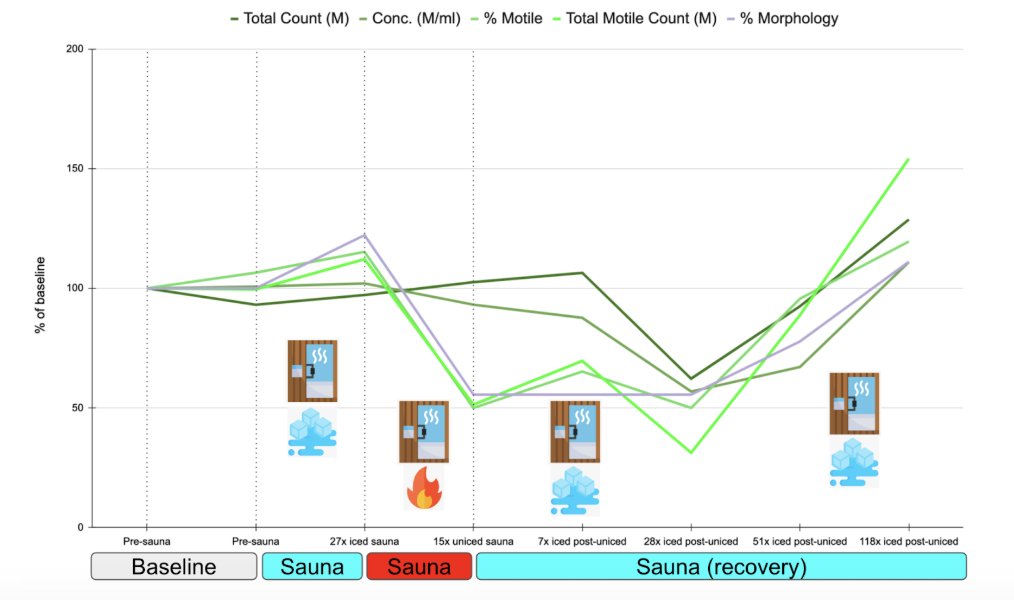
Bryan describes two distinct waves of decline that followed his weeks of sauna without ice protection.
Wave One: Immediate Decline
After two weeks without cooling, sperm motility and total motile count fell sharply. Total sperm count remained stable. This matches known biology. Mature sperm spend about two weeks in the epididymis before ejaculation. Heat damages sperm in storage first, so the drop is quick and noticeable.
Wave Two: Delayed Decline
About four weeks after reintroducing ice, another drop appeared. This reflected damage to earlier stages of sperm development. Heat can affect spermatogenesis as sperm form, mature, and develop their structure. These effects do not show up immediately. They surface weeks later as that generation of sperm completes its cycle.
Full Recovery Within Ten Weeks
Bryan’s sperm count, motility, and morphology returned to normal within a complete spermatogenesis cycle. Then they rose significantly beyond baseline.
His final numbers include:
• Total count: 600 million
• Concentration: 162 million
• Motility: 55%
• Total motile count: 330 million
• Morphology: 10% normal
These numbers place him in the top 0.4% of men worldwide.
Why the Rebound Was So Strong
Bryan suggests four potential contributors to his fertility improvement:
• Better vascular health from daily sauna
• Near complete removal of microplastics from his blood and ejaculate
• Dramatic detoxification of environmental toxins
• Consistent cooling during heat exposure
Each one has early scientific support. Combined, they may create a powerful environment for reproductive health.
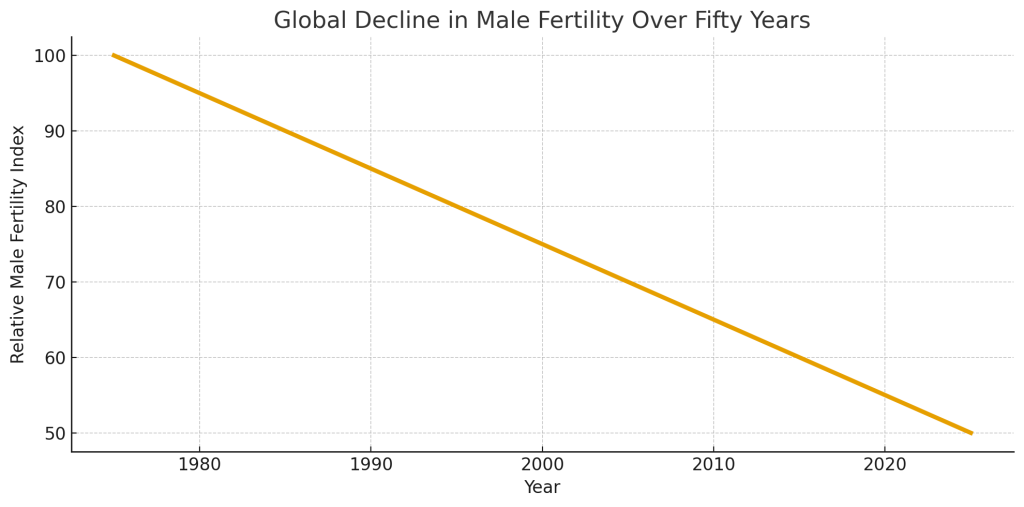
Globally, male fertility has dropped by nearly 50% in the past fifty years. The sharp rise in environmental toxins, plastic exposure, and endocrine disruptors may play a significant role. Bryan’s results may offer a hopeful counterpoint. Reduce toxic load. Support vascular health. Protect the testes from heat. Allow biology to recover.
Sometimes the path toward optimal health is not linear. It requires learning and adjusting as new data emerges.
Why This Matters for Anyone Using Sauna While Trying to Conceive
Sauna is a powerful tool. It improves cardiovascular performance, enhances detoxification, and supports longevity. Heat on the testes is a known risk for temporary reductions in sperm count and motility. The data Bryan shared is consistent with clinical findings on transient hyperthermia and with research on fever related fertility changes, which show several weeks of reduced sperm quality after the body experiences elevated core temperature.
Women do not face the same fertility concerns from sauna heat because the ovaries sit deep within the pelvis and are shielded from external temperature changes. Normal sauna use does not damage eggs or reduce long term fertility. The main consideration for women is avoiding high core temperatures once pregnant, not harm to the eggs themselves.
If you are trying to conceive, want to preserve fertility, or simply want to avoid unnecessary setbacks, using cooling during sauna or steam exposure is a simple and meaningful practice.
Bryan’s Cooling Protocol
• Ice the testes during sauna
• Use a non toxic, reusable ice pack
• Wear cotton boxers and shorts
• Place the ice pack between the layers of fabric
• Keep the ice in place throughout the session
This simple habit allowed Bryan to continue receiving the benefits of heat therapy without compromising reproductive health.
Final Thoughts
Heat is not the enemy. Ice is not the hero. They are tools. What matters is how you balance them and how you understand your own physiology. Bryan’s results offer a clear message for anyone serious about health and longevity while also wanting to maintain the option of having children.
You can support detoxification, strengthen cardiovascular health, and lower your exposure to microplastics and environmental toxins while still protecting your fertility. The key is staying aware and making intentional adjustments guided by real data instead of assumptions.
Sauna and fertility can coexist. Your future family will thank you for learning how to use these tools wisely.
🩺 Disclaimer
The content on I Won’t Die is for informational and educational purposes only. It is not a substitute for professional medical advice, diagnosis, or treatment. Always consult a qualified healthcare provider with any health concerns.
🚀 Get Started with Blueprint
Start optimizing your health today with $25 off your first order! Use our referral code to begin your Blueprint journey and take control of your longevity.
🏋️♂️ Track Your Sleep, Workouts & Recovery
Boost your performance and recovery with Whoop. Join with my referral link to get a free WHOOP 5.0 and one month free!
📲 Download the I Won’t Die App
Stay ahead with the latest news, updates, and insights. Download the I Won’t Die app now on the Apple App Store and Google Play!
📩 Contact Us
Have tips, photos, or questions? Want to collaborate? Reach out at [email protected] — we’d love to hear from you!
🔗 Stay Connected
Follow us on Don't Die, Facebook, X, Instagram, YouTube, and LinkedIn for Blueprint longevity and Bryan Johnson updates.
📬 Subscribe to I Won’t Die Newsletter
Get the latest longevity breakthroughs, Blueprint updates, and exclusive content straight to your inbox — sign up now!

The Foods That Help Me Eat Big and Stay 155 to 160 lbs

I’m Officially a Rejuvenation Olympian, Ranked #167 Behind Bryan Johnson

When More Exercise Stops Moving the Needle

I Took My Function Health Mid-Year Test: Now We Wait

Download the New I Won’t Die App: Longevity News, Biohacking Insights, and Health Tools

The Best Advice Bryan Johnson Has Ever Given

Stop Guessing Your Run: StayGreen Turns WHOOP Data Into Today’s Training Decision

Electrolytes: The Small Habit That Quietly Changed My Recovery

Mission Accomplished: My Speed of Aging Result Is In and Blueprint Confirms the Trend

Take Two: The Speed of Aging Redemption

Red Mode Is Live: Become a Professional Sleeper

Function Health January Labs: One Year Later

Blood, Biomarkers, and Beach Miles

Starting the Year Strong, Not From Scratch

How To Build Great Health One Boring Day at a Time

Bryan Johnson Shares Details of His HBOT Protocol for Longevity

Bryan Johnson Updates His Morning Routine Again: Here’s What’s New in May 2025

The Healthiest Lab Results Ever Recorded? Inside Bryan Johnson’s Longevity Bloodwork

Bryan Johnson Sat in a 200°F Sauna for 7 Days. Here’s What Changed

How Sauna Sessions Helped Bryan Johnson Eliminate 7 Harmful Toxins

How Strong Are Your Bones? Bryan Johnson’s Blueprint for Bone Health and Longevity

WHOOP MG Review: Improved Accuracy, New Features, and How WHOOP Age Compares to Blueprint’s Speed of Aging

Bryan Johnson’s 2025 Skincare Routine Revealed: How He Reversed His Skin Age by Decades

How Bryan Johnson Removed 93 Percent of Microplastics From His Blood

Inside Bryan Johnson’s 2025 Longevity Protocol and Why It Inspires Me

Don’t Die Podcast #3: Why Resting Heart Rate May Be the Most Powerful Health Metric for Sleep and Longevity

My Blueprint Advanced Panel Results: A Deep Dive into Longevity Biomarkers

The One Food Bryan Johnson Swears By for Longevity: Extra Virgin Olive Oil

How Bryan Johnson Gets Perfect Sleep Scores Every Night: A Blueprint for Deep Rest

Who Is the Healthiest Person in the World? This Man’s Data-Driven Life May Be the Answer
-

 Bryan Johnson Updates10 months ago
Bryan Johnson Has A Girlfriend: Finding The Person Who Feels Like Home And Why It Changes Everything
-
 My Longevity Journey10 months ago
WHOOP Advanced Labs: Understanding the Body Behind the Data
-

 Bryan Johnson Updates10 months ago
Sauna, Fertility, and Why This Matters More Than Ever
-
 My Longevity Journey11 months ago
How I Cut My ApoB by 51% Without Medication