My Longevity Journey
How I Cut My ApoB by 51% Without Medication


Learn how to lower ApoB naturally without medication through simple, consistent lifestyle changes that make a lasting difference.
In January, I began my health improvement journey with an advanced blood panel. My ApoB was elevated, my inflammation markers were high, and my cardiovascular risk was quietly building. Those results became my starting point, a snapshot of where I was and how far I wanted to go. This blog became my accountability partner along the way.
Nine months later, both stories have changed. My ApoB dropped from 87 to 43 mg/dL, a 51 percent reduction. My high-sensitivity CRP fell from 4.38 to 0.4 mg/L, a 91 percent decrease in inflammation. And none of it required prescription medication.
What changed was not dramatic on the surface. The difference came from discipline, consistency, and a simple plan built around a few precise interventions that helped my body process lipids, clear inflammation, and recover more efficiently.
The Timeline
January: Baseline Blueprint Advanced Panel
February–April: Introduced new supplement stack and Mediterranean diet
May: Midpoint improvements confirmed in follow-up labs
September: Full transformation – ApoB 43 mg/dL, CRP 0.4 mg/L, triglycerides 42 mg/dL
What Is ApoB and Why It Matters
ApoB is a protein that carries LDL and other lipoproteins through the bloodstream. Think of it as a fleet of delivery trucks transporting cholesterol and fat through your body. The more trucks you have, the higher the chance some will crash into artery walls and cause buildup. High levels mean more particles that can stick to artery walls and drive cardiovascular disease. Lowering ApoB reduces risk more accurately than LDL cholesterol alone and is one of the strongest predictors of long-term heart and metabolic health.
1.) The Hero: Red Yeast Rice (Taken at the Right Time)
If there is a single hero in this story, it is Red Yeast Rice. This supplement naturally contains monacolin K, a compound chemically identical to lovastatin. It blocks the enzyme HMG-CoA reductase, the same pathway pharmaceutical statins target to lower cholesterol production in the liver.
When the liver makes less cholesterol, fewer ApoB particles are released into circulation. Over time, that means fewer small, dense LDL particles and lower cardiovascular risk.
I pair Red Yeast Rice with CoQ10 to protect mitochondrial function, since the same pathway that reduces cholesterol can also deplete CoQ10 in the body. The result has been steady energy, no muscle fatigue, and a remarkable drop in ApoB.
Cardiologist’s Tip: Timing matters. I used to take Red Yeast Rice in the morning with my other supplements, but my cardiologist pointed out that cholesterol synthesis happens mostly while we sleep. Since switching to taking it in the evening, I’ve noticed even more consistent lipid results.
2.) Mediterranean Simplicity
The next layer was diet and I love to eat. I committed to a Mediterranean foundation built around olive oil, avocado, fish, legumes, and high-polyphenol vegetables. Every meal became a small investment in lipid balance.
Olive oil’s monounsaturated fats and polyphenols improve HDL function and increase LDL receptor sensitivity, helping the liver clear ApoB particles more efficiently. Consistent omega-3 intake from algae oil added another benefit, lowering triglycerides and improving particle quality.
I followed the Don’t Die Food Guide as a framework to eat simple, whole, and unprocessed foods. It became a daily compass that kept me focused on longevity principles over perfection.
I kept refined carbs low, avoided alcohol entirely since it’s never been part of my social or active lifestyle, and made sure my last meal ended about four hours before bedtime to support a lower resting heart rate and deeper sleep.
3.) Inflammation Control
Inflammation quietly sabotages lipid health. High inflammation reduces LDL receptor activity and traps ApoB in circulation longer. My CRP drop from 4.38 to 0.4 mg/L amplified every other improvement.
What worked was simple: regular sauna sessions, after-dinner walks, better sleep, and a calmer daily rhythm. The result was lower systemic stress and improved metabolic flexibility.
4.) Consistent Aerobic Work
I changed how I trained. Early in the summer, I chased speed. Now, I chase consistency. Running seven miles a day in Zones 1 and 3 has built endurance, improved fat oxidation, and strengthened my aerobic foundation.
Aerobic training lowers VLDL output from the liver, which directly reduces ApoB particle production. It also raises HDL particle size and improves mitochondrial efficiency. These long, steady runs became the quiet engine behind my cardiovascular improvements.
5.) The Quiet Helpers: Berberine, Bergamot, Garlic, and Turmeric
These may not be headline supplements, but they create important synergy across metabolism, lipid balance, and inflammation.
Berberine improves insulin sensitivity by activating AMPK, the same pathway targeted by metformin. It enhances glucose uptake, reduces liver fat, and indirectly lowers ApoB by decreasing VLDL production.
Bergamot helps reduce small, dense LDL particles and improves HDL efficiency.
Garlic extract modestly reduces cholesterol synthesis and supports vascular function.
Turmeric calms inflammation and supports endothelial health.
Each is subtle on its own, but together these supplements create a stable metabolic foundation.
Metabolic Synergy
What surprised me most was how these interventions worked together. Better insulin sensitivity from berberine and diet meant less VLDL output. Lower inflammation meant faster clearance of ApoB particles. Over time, each small improvement reinforced the next, creating a positive feedback loop of stability.
The Results
Nine months later, my lipid profile looks like it belongs to someone twenty years younger.
ApoB: 87 → 43 mg/dL (↓ 51%)
LDL-P: 861 → 501 nmol/L (↓ 40%)
Triglycerides: 115 → 42 mg/dL (↓ 63%)
hs-CRP: 4.38 → 0.4 mg/L (↓ 91%)
These numbers tell a story of precision, patience, and biology responding exactly as designed.
Why This Matters
Most people never see this kind of improvement without medication. These results show that when lifestyle is applied with precision and dedication, it can rival and sometimes surpass, pharmaceutical outcomes.
Earlier in 2025, I completed an echocardiogram and carotid artery ultrasound to establish a baseline for heart and vascular health. Both scans showed clear arterial flow and no plaque buildup, a reassuring confirmation that my cardiovascular foundation was strong. I plan to repeat these tests in the coming years, or as needed, to ensure that the improvements I’m seeing in my blood work continue to translate into real protection where it matters most.
This approach is not about restriction or perfection. It is about consistency, balance, and understanding that each daily decision we make rewrites how your body performs at the cellular level.
Final Thoughts
Every number tells a story, but this one taught me more than how to lower a biomarker. It reminded me that simplicity works, that structure brings calm, and that health is not about control. It is about care.
I am grateful for this progress, but even more for what it represents. It keeps me grounded in what matters… the quiet rhythm of showing up, taking care, and being thankful for the chance to keep improving.
This journey is not about chasing youth. It’s about living with discipline, awareness, and gratitude and remembering that the goal isn’t to live forever, but to live fully while we can.
🩺 Disclaimer
The content on I Won’t Die is for informational and educational purposes only. It is not a substitute for professional medical advice, diagnosis, or treatment. Always consult a qualified healthcare provider with any health concerns.
🚀 Get Started with Blueprint
Start optimizing your health today with $25 off your first order! Use our referral code to begin your Blueprint journey and take control of your longevity.
🏋️♂️ Track Your Sleep, Workouts & Recovery
Boost your performance and recovery with Whoop. Join with my referral link to get a free WHOOP 5.0 and one month free!
📲 Download the I Won’t Die App
Stay ahead with the latest news, updates, and insights. Download the I Won’t Die app now on the Apple App Store and Google Play!
📩 Contact Us
Have tips, photos, or questions? Want to collaborate? Reach out at [email protected] — we’d love to hear from you!
🔗 Stay Connected
Follow us on Don't Die, Facebook, X, Instagram, YouTube, and LinkedIn for Blueprint longevity and Bryan Johnson updates.
📬 Subscribe to I Won’t Die Newsletter
Get the latest longevity breakthroughs, Blueprint updates, and exclusive content straight to your inbox — sign up now!

A look at what is working, what still needs improvement, and how steady discipline is shaping my long-term health.
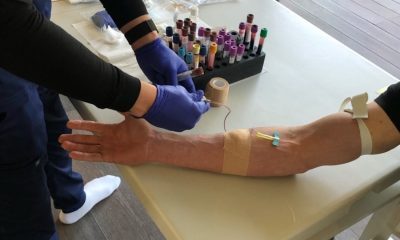
I went to Quest Labs earlier this month for a full WHOOP Advanced Labs panel.
Eight vials of blood. Ten minutes in the chair.
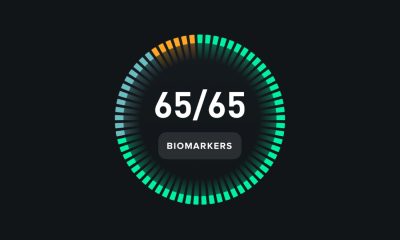
Within twenty four hours the first results appeared. By day five, sixty three of sixty five biomarkers were complete. The last two, testosterone and free testosterone, took almost ten days, and once they arrived WHOOP’s clinical team reviewed everything and sent a personalized Action Plan into my app.
This is my follow up to the January and September labs.
It shows what has improved, what still needs work, and what eleven months of intention and daily discipline have created.
I share this because consistency is powerful. This year has shown me what steady daily effort can create.
Big Picture
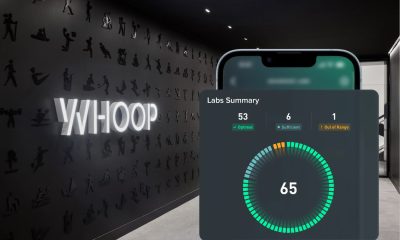
WHOOP analyzed sixty five biomarkers.
Forty seven are optimal. Twelve are sufficient. Six are out of range.
The story is clear. My cardiometabolic system is strong. Inflammation is extremely low. Sleep is doing exactly what it should. The few areas that need work relate to iron stores, immune cell counts, and adrenal and androgen reserve. These are the same patterns often seen in endurance athletes who train every day with purpose.
Where the Data Shows Real Progress
The shift in my cardiometabolic markers is the strongest sign of how much my health has changed since January.
Cardiometabolic Health
These are athlete level numbers, and they match the way my body has been feeling.
They match what the research describes as a low risk, longevity friendly profile. I feel that in my runs. I feel it in my breathing. I feel it in my recovery.
WHOOP labeled this an elite engine, and it remains the clearest transformation of the year.
Here is the comparison (swipe chart to see more).
| Marker | Jan 2025 (Blueprint) | May 2025 | Sep 2025 | Nov 2025 (WHOOP) | Optimal Range | Change Jan to Nov |
|---|---|---|---|---|---|---|
| ApoB (mg per dL) | 87 | 72 | 43 | 52 | < 60 | ↓ 40 percent |
| LDL Particle Count (nmol per L) | 830 | 861 | 501 | Not measured | < 1000 | ↓ 40 percent (last measured) |
| Triglycerides (mg per dL) | 113 | 115 | 42 | 59 | < 100 | ↓ 48 percent |
| Total Cholesterol (mg per dL) | 161 | 143 | 114 | 132 | < 150 | ↓ 18 percent |
| hs CRP (mg per L) | 4.38 | 3.5 | 0.4 | 0.2 | < 1.0 | ↓ 95 percent |
| A1C percent | 5.4 | 5.2 | 5.1 | 5.1 | < 5.3 | ↓ 6 percent |
| Insulin (µIU per mL) | 2.4 | 1.6 | 2.9 | 2.7 | < 5.0 | Stable optimal |
| Omega 3 Index percent | 3.1 | 4.6 | 5.2 | Not measured | > 5.5 | ↑ 68 percent (last measured) |
Inflammation and Recovery
You can look healthy on the outside, but it is what you cannot see that shapes long-term health.
Inflammation is quiet. It builds slowly. It hides until something breaks.
My CRP returned at 0.2 mg per L. WHOOP ties this to sleep consistency, and that has been one of my most important improvements. I now go to bed and wake up at consistent times. Even though I am not the most efficient sleeper, I give my body the time it needs to reach eight hours a night.
Diet and training matter too. Clean food and steady running help, but sleep is the backbone. It is the clearest cause and effect pattern in my entire year of data.
Earlier this year my nights were inconsistent. Now they support everything I am building.
Metabolic Stability and the Quiet Systems That Hold Everything Together
Some biomarkers shout when something is wrong. Others whisper when things are going right. WHOOP highlighted two quiet categories that form the foundation behind everything I have done this year.
Glucose and Insulin
This system runs clean.
Fasting glucose: 91
Insulin: 2.7
HOMA IR: 0.6
A1C: 5.1 percent
WHOOP calls this highly insulin sensitive and metabolically flexible. That is exactly what you want for performance and long-term health. It reflects endurance work, strength training, intentional food choices, and a sleep schedule I have taken seriously since spring.
These numbers were good in September. They are even better now.
Thyroid and Vitamin D
These two markers rarely get spotlight attention, but they shape daily experience. They influence mood, muscle function, immune strength, and depth of sleep.
TSH: 1.5
Vitamin D: 65
WHOOP calls this a strong endocrine foundation. I feel that stability throughout the day. This consistency has held since September and is improved from January.
Together, these markers explain why my energy feels steady, why recovery feels predictable, and why training responds the way it does. They are quiet markers, but they have been crucial.
Where I Need to Improve
This is the honest part of the panel. Nothing here is concerning, but everything here matters for performance and long-term health. These are the levers that will shape the next chapter of progress.
And if this year has shown anything, it is that when I choose to improve something, I follow through fully.
Iron Stores
Ferritin: 18
My iron storage is low. Not anemic, but not where it should be. Endurance athletes see this pattern often. Long miles and consistent sweat loss slowly reduce stored iron over time.
Hemoglobin and hematocrit are excellent, which means oxygen carrying capacity is strong. Ferritin reflects reserves. That reserve supports intensity, HRV stability, and energy between sessions.
It also explains a subtle pattern in my WHOOP data. HRV in the low 30’s, which has improved since the beginning of the year but still sits without much extra margin.
Early this year I shifted fully into the Don’t Die Food Guide and removed red meat. That played a significant role in lowering saturated fat and transforming my cardiovascular health. The tradeoff is that I now need to be deliberate about restoring heme iron.
The plan is simple.
Four days per week with heme iron.
No dairy near those meals.
Pair meals with vitamin C.
Retest and rebuild.
January was higher.
September was lower.
Now the direction is clear.
Hydration and Nitrogen Load
My BUN and BUN creatinine ratio were at the high side of normal. This often appears when hydration is a little low at the time of the draw or when protein intake is elevated.
I already drink more than one hundred ounces of water a day, usually closer to one hundred twenty, and I track it. Hydration is one of my strongest habits. Even so, a single test can reflect timing, food choices, or sweat loss from earlier that morning.
This is not a major change. It is a small dial.
Electrolytes on longer or hotter run days.
More water around higher protein meals.
Hydration supports HRV and morning readiness, so this lever responds quickly.
The Bigger Picture
None of this discourages me. It encourages me.
A year ago I was solving cholesterol, inflammation, and insulin resistance.
Today those markers fall into athlete ranges.
Now the work shifts to iron reserve, hydration precision, and giving my system more margin for the training load I live with every day.
I am committed to the process.
The process works when you stay consistent.
What This Year Has Shown Me
January was the wake up call.
September showed momentum.
November confirms that intention works when you practice it daily.
I am not chasing perfection.
I am chasing improvement.
Every run.
Every meal.
Every night of sleep.
Each is a vote for the future I want.
This panel shows that my heart, metabolism, sleep, and recovery systems are thriving. The areas that need work are manageable, expected, and well within reach.
The biggest lesson remains the same.
Consistency is the strongest force in health.
Final Thoughts
The journey to better health is built on quiet choices.
Small improvements.
Ordinary days that compound over time.
I care about this because the people in my life deserve the best version of me.
That is what drives this work.
That is what keeps me steady.
That is what keeps me improving.
🩺 Disclaimer
The content on I Won’t Die is for informational and educational purposes only. It is not a substitute for professional medical advice, diagnosis, or treatment. Always consult a qualified healthcare provider with any health concerns.
🚀 Get Started with Blueprint
Start optimizing your health today with $25 off your first order! Use our referral code to begin your Blueprint journey and take control of your longevity.
🏋️♂️ Track Your Sleep, Workouts & Recovery
Boost your performance and recovery with Whoop. Join with my referral link to get a free WHOOP 5.0 and one month free!
📲 Download the I Won’t Die App
Stay ahead with the latest news, updates, and insights. Download the I Won’t Die app now on the Apple App Store and Google Play!
📩 Contact Us
Have tips, photos, or questions? Want to collaborate? Reach out at [email protected] — we’d love to hear from you!
🔗 Stay Connected
Follow us on Don't Die, Facebook, X, Instagram, YouTube, and LinkedIn for Blueprint longevity and Bryan Johnson updates.
📬 Subscribe to I Won’t Die Newsletter
Get the latest longevity breakthroughs, Blueprint updates, and exclusive content straight to your inbox — sign up now!

A simple blood test integrated with WHOOP gives me a clearer view of how my daily habits shape long-term health, recovery, and resilience.
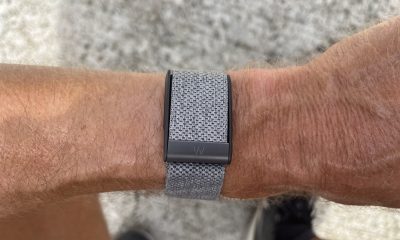
Nearly every day of 2025, a WHOOP band has been on my wrist tracking sleep, recovery, strain, and heart rate. When I upgraded to the WHOOP MG six months ago, something shifted. The physiological age and adaptive coaching features revealed how my daily habits directly impact long-term health. After diving deep with Blueprint and refining my diet and recovery based on my cardiologist’s advice earlier this year, WHOOP Advanced Labs felt like the next logical step, connecting real-time data with deeper biological insight.
WHOOP Advanced Labs offers 65 biomarker tests that automatically sync with the WHOOP app. My blood draw is scheduled for Friday morning, and I will share the results once they come in.
For reference, here is the lab order placed through WHOOP showing exactly what will be tested:
Why Test Again If I Already Did Blueprint?
Back in January, I completed the Blueprint Advanced Panel and Speed of Aging test, which gave me a detailed picture of my cardiovascular, metabolic, hormonal, inflammatory, mitochondrial, and organ health. By summer, I focused on recovery, nutrition, and sleep, then re-tested key biomarkers in September and saw dramatic improvements across the board.
At the end of December or early next year, I will repeat that same Blueprint panel to measure a full year of progress. The Blueprint panel provides the big picture, while WHOOP captures what is happening in real time, a snapshot of progress between panels.
Think of Blueprint as the satellite view or report card that shows your overall health. WHOOP is the step-by-step navigation that reflects how daily choices shape that bigger outcome.
Each matters.
One gives direction.
The other confirms progress along the way.
How WHOOP Advanced Labs Compares to Blueprint
| Test | Biomarkers | Cost | Purpose |
|---|---|---|---|
| WHOOP Advanced Labs | 65 | $200 | Syncs results directly to WHOOP for day to day insights |
| Blueprint Basic Panel | 67 | $375 | Foundation biomarkers for heart, metabolic, and hormonal health |
| Blueprint Advanced Panel | 108 | $575 | Deep preventative analysis across multiple body systems |
In terms of coverage, WHOOP Advanced Labs most closely aligns with the Blueprint Basic Panel, but at a fraction of the cost. It measures 65 biomarkers, including ApoB, hs-CRP, a full cholesterol panel (Total, HDL, LDL, Triglycerides, and Ratios), A1C, insulin, cortisol, testosterone, vitamin D, TSH, estradiol, SHBG, and a complete blood count with metabolic and iron panels. These cover cardiovascular, metabolic, hormonal, and inflammatory health, the same markers I have been tracking with Scripps and Blueprint this year to monitor improvements in ApoB, CRP, cholesterol, and triglycerides.
Integration, however, is where WHOOP Advanced Labs shines.
Results feed directly into your WHOOP app, connecting your biology to metrics like:
- Recovery and HRV
- Sleep and circadian rhythm
- Strain and training adaptation
- Physiological age and readiness
Suddenly, blood work becomes more than a static report. It transforms into a living feedback loop that connects data to behavior and behavior to progress. That is the real reason I am doing this. When your biology is tied to your daily habits, health stops being theoretical. It becomes actionable, measurable, and personal.
Why It Makes Sense
From a cost and practicality standpoint, WHOOP Advanced Labs makes sense. By the time insurance, doctor visits, and lab coordination are factored in, traditional testing often costs about the same but delivers far less data. WHOOP bridges that gap by syncing 65 biomarkers directly into the app, giving a deeper, more connected view of health for $200.
It may not include every marker from the full Blueprint Advanced Panel, such as Omega-3 or mitochondrial function, but it’s ideal for a check-in. When I repeat the Blueprint panel this winter, I’ll have a complete year of integrated data showing how daily consistency compounds over time.
If I were measuring biomarkers for the first time, this is where I would start. For anyone already using WHOOP daily, Advanced Labs feels like a natural next step. It’s a simple, smart way to see what’s happening inside the body, not just what shows up in the daily metrics.
Running and the Rhythm of My Days
Running has always been part of my life. It clears my mind, keeps me grounded, and helps me process the day. I wrote more about that in Why I Run Every Day. Since 2011, I’ve logged every run with RunKeeper, and now WHOOP adds deeper insight with strain, recovery, and zone data for each mile.
Each morning, I lace up. Some days it’s a 12-mile coastal route to Torrey Pines. Other days, just three slow miles around the neighborhood. When it rains, I still go. Those runs often turn out to be the best ones.
Most days average seven miles, with about ten minutes of Zone 4 and 5 work each week to maintain a VO₂ max of 58. WHOOP helps me balance load, measure recovery, and see how small habits add up over time.
What WHOOP Helps Me Understand
Data from WHOOP helps connect effort to outcome. It reveals:
- How recovery shapes performance
- How nutrition affects glucose stability and heart rate
- How sleep timing influences hormonal balance
- How consistency always outweighs intensity
It also keeps me accountable. High strain with poor recovery? It is right there on the graph. Missed sleep? The data catches it. When my body hits a balanced rhythm, WHOOP reflects that truth back through every metric.
Advanced Labs makes WHOOP even more powerful. It will reveal how inflammation trends with my training, whether cardiovascular improvements are holding steady during high-volume weeks, and how recovery, sleep, and hormone balance all connect over time. While it does not directly measure Omega-3 levels or every advanced marker from Blueprint, it gives a strong pulse on how my daily routine is shaping my biology.
In the end, it connects what I feel with what is happening beneath the surface, turning data into something I can live by, not just look at.
Movement as a Way of Living
Not everyone needs to run seven miles a day. That is just what works for me. The goal is not running. The goal is movement. Daily, intentional movement.
Walking.
Hiking.
Swimming.
Rowing.
Pickleball.
Golf.
Yoga.
Strength training.
Movement is not punishment for eating.
Movement is how the body remembers what it was designed for.
Final Thoughts
I am doing this to understand my body better, not to control it. I want to build a life that I can live fully for a long time, one where I have the energy to show up, be present, listen deeply, and care well. WHOOP Advanced Labs will help me understand how my habits translate into resilience and longevity. Numbers tell part of the story, but meaning comes from how those numbers shape the way I live.
The real goal is not perfection; it is connection. To your health, your purpose, and the rhythm of the days that make up your life.
I will share my results once they are in. Until then, keep moving, keep breathing, and keep showing up.
One day at a time.
One step at a time.
🩺 Disclaimer
The content on I Won’t Die is for informational and educational purposes only. It is not a substitute for professional medical advice, diagnosis, or treatment. Always consult a qualified healthcare provider with any health concerns.
🚀 Get Started with Blueprint
Start optimizing your health today with $25 off your first order! Use our referral code to begin your Blueprint journey and take control of your longevity.
🏋️♂️ Track Your Sleep, Workouts & Recovery
Boost your performance and recovery with Whoop. Join with my referral link to get a free WHOOP 5.0 and one month free!
📲 Download the I Won’t Die App
Stay ahead with the latest news, updates, and insights. Download the I Won’t Die app now on the Apple App Store and Google Play!
📩 Contact Us
Have tips, photos, or questions? Want to collaborate? Reach out at [email protected] — we’d love to hear from you!
🔗 Stay Connected
Follow us on Don't Die, Facebook, X, Instagram, YouTube, and LinkedIn for Blueprint longevity and Bryan Johnson updates.
📬 Subscribe to I Won’t Die Newsletter
Get the latest longevity breakthroughs, Blueprint updates, and exclusive content straight to your inbox — sign up now!

Discover how daily running, recovery, and mindful movement can strengthen the heart, clear the mind, and build lasting health and longevity.
I started running regularly as a teenager and have continued ever since. It became my thing early on because it fits who I am. Running is simple, outdoors, and independent. I can start the moment I step out my front door. I don’t need a gym, a schedule, a partner or a team to make it happen. It’s my time to think, breathe, and reset.
Over the years, I’ve run countless 5Ks, 10Ks, half-marathons, and full marathons. Running has become a core part of my daily rhythm. The last time my running streak was broken was when I got Covid about three years ago. Since then, I haven’t missed a day, even when traveling or on vacation. On travel days, I’ll squeeze in at least a short three-mile run. Rain or shine, I always find a way. Some of my favorite runs are actually in the rain here in San Diego. There’s something freeing about those mornings, when the streets are empty, the air is cool, and it’s just me and the sound of my shoes on wet pavement.
Running keeps me physically strong and mentally grounded. It clears my head, relieves stress, and restores calm. I love listening to music while I run, whatever fits my mood. It’s movement, therapy, and meditation all in one. Even short consistent periods of activity improve heart health, reduce stress, and increase longevity, which is a reminder that daily movement in any form truly matters.
Tracking Progress and Staying Consistent
I’ve been tracking all of my runs with RunKeeper since 2011. Now, I also use my Whoop to monitor strain, recovery, and daily steps, making sure I’m getting enough movement throughout the day. Tracking keeps me accountable and helps me know when to replace my running shoes, usually every 300 to 350 miles, to avoid injury and maintain performance.
Here’s a snapshot of what my Whoop Coach shows since I started using the new device earlier this year:
Volume:
- Over 200 runs, from short 20-minute sessions to endurance runs lasting 1.5 hours or more
- Most of my time spent in heart rate zones 2–3, supporting endurance and fat oxidation
- Capable of pushing into zones 4–5 for higher intensity when needed
Endurance Trends:
- Average run duration: 45–70 minutes
- Longest run: 1 hour 51 minutes, covering nearly 20 km
Pacing & Distance:
- Typical runs range between 5,000–13,000 meters (3–8 miles)
- Frequent long runs over 15,000 meters (9+ miles)
- Personal best: 3 miles at 6:22/mile, mostly in zones 3–4
Strain & Effort:
- Typical strain: 10–15, with peak days hitting 18+
- Long slow runs average strain 12–14; intense days are higher
Calories & HR:
- 250–900+ calories burned per run, depending on distance and intensity
- Average heart rate: 130–145 bpm, max around 160–180+ bpm
Patterns:
- Running daily, alternating between steady, tempo, and recovery runs
- Solid altitude gains on most runs, improving aerobic and muscular endurance
In short, I’ve built a strong aerobic engine with consistent training and smart recovery. I balance long efforts with easier days to maintain my VO₂ max goal and minimize injury.
The Science of Smart Running
Most of my runs happen in Zones 1 to 3, where endurance and fat oxidation improve most. These are the aerobic zones that build longevity. I spend about 10 minutes each week in Zones 4 and 5 to maintain VO₂ max, which currently sits at 58 (peaking at 60 this past summer).
I usually average seven miles a day, but this week included a 10-mile run and one of my all-time favorites, a 12-mile route from home to Torrey Pines State Park along Highway 101. That run always reminds me why I love this routine: the ocean views, the feeling of effort, and that final climb…1.75 miles uphill, one step at a time, running among the pine trees.
Zone 1 to 3 running may not sound extreme, but it’s what builds longevity. It trains the heart to pump efficiently, the lungs to move oxygen effectively, and the body to burn cleanly. It’s calm work that delivers long-term results.
Cross-Training and Recovery
Running may be my foundation, but I cross-train daily. Some days that means golf, other days pickleball, or an after-dinner walk. It all counts. The goal is movement, not perfection. I’ve logged on average 22,326 steps/daily over the past month. A body in motion stays in motion, and movement in any form builds resilience.
To support recovery, I sit in the jacuzzi and sauna regularly. Heat helps my muscles relax and heal faster, much more effectively than ice ever did. I also get 7.5 to 8 hours of sleep each night, which helps my body repair and adapt.
Eight months ago, I added collagen peptides to my after run smoothie. 30 grams made from grass-fed, third-party-tested collagen. It’s been a game changer. My smoothie also includes 8 ounces of spinach, a cup of blueberries, two tablespoons of olive oil, four scoops of protein powder (42 grams), and reverse osmosis alkaline water. It’s simple, nutrient-dense, and easy to maintain.
My diet follows a Mediterranean foundation with olive oil, avocado, fish, chicken, legumes, and high-polyphenol vegetables. It’s not about restriction, it’s about rhythm and balance and to meet my other health goals.
The Mindset That Keeps Me Moving
Some days I don’t feel like running. But I do it anyway. Every time, by the end, I’m thankful I did. It’s those days, the hard ones, that make the difference. They teach discipline, patience, and perspective.
Running every day has become more than exercise. It’s a mindset. It’s about showing up, staying consistent, and letting motion clear the mind. Health isn’t built from intensity alone; it’s built from rhythm, recovery, and repetition.
Final Thoughts
Every time I run, I’m reminded that the body is meant to move. Movement strengthens the heart, clears the mind, and restores balance. For me, it’s not about speed or distance but connection to the process, to the world around me, and to that calm sense of flow where everything feels aligned.
Running continues to teach me that health is built, not found. The body adapts through steady effort, and real progress comes from showing up with consistency, not intensity. You don’t have to run seven miles a day to experience this. Find your rhythm, whatever it looks like for you. Whether it’s walking, hiking, swimming, rowing, golf, or pickleball, make it part of your daily reset.
Because when you move consistently, everything else follows. The mind steadies, the body strengthens, and life itself feels more in tune. Movement clears the mind, and a clear mind finds its direction.
🩺 Disclaimer
The content on I Won’t Die is for informational and educational purposes only. It is not a substitute for professional medical advice, diagnosis, or treatment. Always consult a qualified healthcare provider with any health concerns.
🚀 Get Started with Blueprint
Start optimizing your health today with $25 off your first order! Use our referral code to begin your Blueprint journey and take control of your longevity.
🏋️♂️ Track Your Sleep, Workouts & Recovery
Boost your performance and recovery with Whoop. Join with my referral link to get a free WHOOP 5.0 and one month free!
📲 Download the I Won’t Die App
Stay ahead with the latest news, updates, and insights. Download the I Won’t Die app now on the Apple App Store and Google Play!
📩 Contact Us
Have tips, photos, or questions? Want to collaborate? Reach out at [email protected] — we’d love to hear from you!
🔗 Stay Connected
Follow us on Don't Die, Facebook, X, Instagram, YouTube, and LinkedIn for Blueprint longevity and Bryan Johnson updates.
📬 Subscribe to I Won’t Die Newsletter
Get the latest longevity breakthroughs, Blueprint updates, and exclusive content straight to your inbox — sign up now!

WHOOP Advanced Labs: What Eleven Months of Intention Created

Sauna, Fertility, and Why This Matters More Than Ever

WHOOP Advanced Labs: Understanding the Body Behind the Data

Your Desk Is Quietly Damaging Your Arteries: Cocoa Can Help Protect Them

How Red Light at Night Can Help You Sleep Better

Why I Run Every Day: Movement, Balance, and Longevity

How I Lowered My Inflammation and CRP Naturally: The Blueprint to a Calmer, Healthier Body

How I Cut My ApoB by 51% Without Medication

How Discipline, Simplicity, and Consistency Rewound My Biology

The Sleep Blueprint: Bryan Johnson’s Data-Backed Guide to Better Rest

Fireworks, Freedom, and Fallout: What July 4th Is Doing to Your Body and Brain

How to Reduce PFAS Forever Chemicals in Your Body and Home

Are You Poisoning Your Pet Without Knowing It? Blueprint Quantified Just Went Live

The Power of Flavonoids: How Adding Them to Your Diet Can Support Healthy Aging

My First Microplastics Blood Test with Blueprint

Bryan Johnson Shares Details of His HBOT Protocol for Longevity

Bryan Johnson Updates His Morning Routine Again: Here’s What’s New in May 2025

The Healthiest Lab Results Ever Recorded? Inside Bryan Johnson’s Longevity Bloodwork

WHOOP MG Review: Improved Accuracy, New Features, and How WHOOP Age Compares to Blueprint’s Speed of Aging

Bryan Johnson Sat in a 200°F Sauna for 7 Days. Here’s What Changed

How Sauna Sessions Helped Bryan Johnson Eliminate 7 Harmful Toxins

Don’t Die Podcast #3: Why Resting Heart Rate May Be the Most Powerful Health Metric for Sleep and Longevity

Does Bryan Johnson’s Sleep Routine Actually Work? We Put It to the Test

Bryan Johnson’s 2025 Skincare Routine Revealed: How He Reversed His Skin Age by Decades

Inside Bryan Johnson’s 2025 Longevity Protocol and Why It Inspires Me

How Bryan Johnson Gets Perfect Sleep Scores Every Night: A Blueprint for Deep Rest
My First Microplastics Blood Test with Blueprint
Bryan Johnson Puts Sauna to the Test for Longevity and Detox

My Blueprint Advanced Panel Results: A Deep Dive into Longevity Biomarkers

Don’t Die Podcast #2: Breathe Better, Live Longer With Hyperbaric Oxygen Therapy
-
 Bryan Johnson Updates7 months ago
Bryan Johnson Shares Details of His HBOT Protocol for Longevity
-
 Bryan Johnson Updates7 months ago
Bryan Johnson Updates His Morning Routine Again: Here’s What’s New in May 2025
-
 Bryan Johnson Updates8 months ago
The Healthiest Lab Results Ever Recorded? Inside Bryan Johnson’s Longevity Bloodwork
-
 My Longevity Journey7 months ago
WHOOP MG Review: Improved Accuracy, New Features, and How WHOOP Age Compares to Blueprint’s Speed of Aging